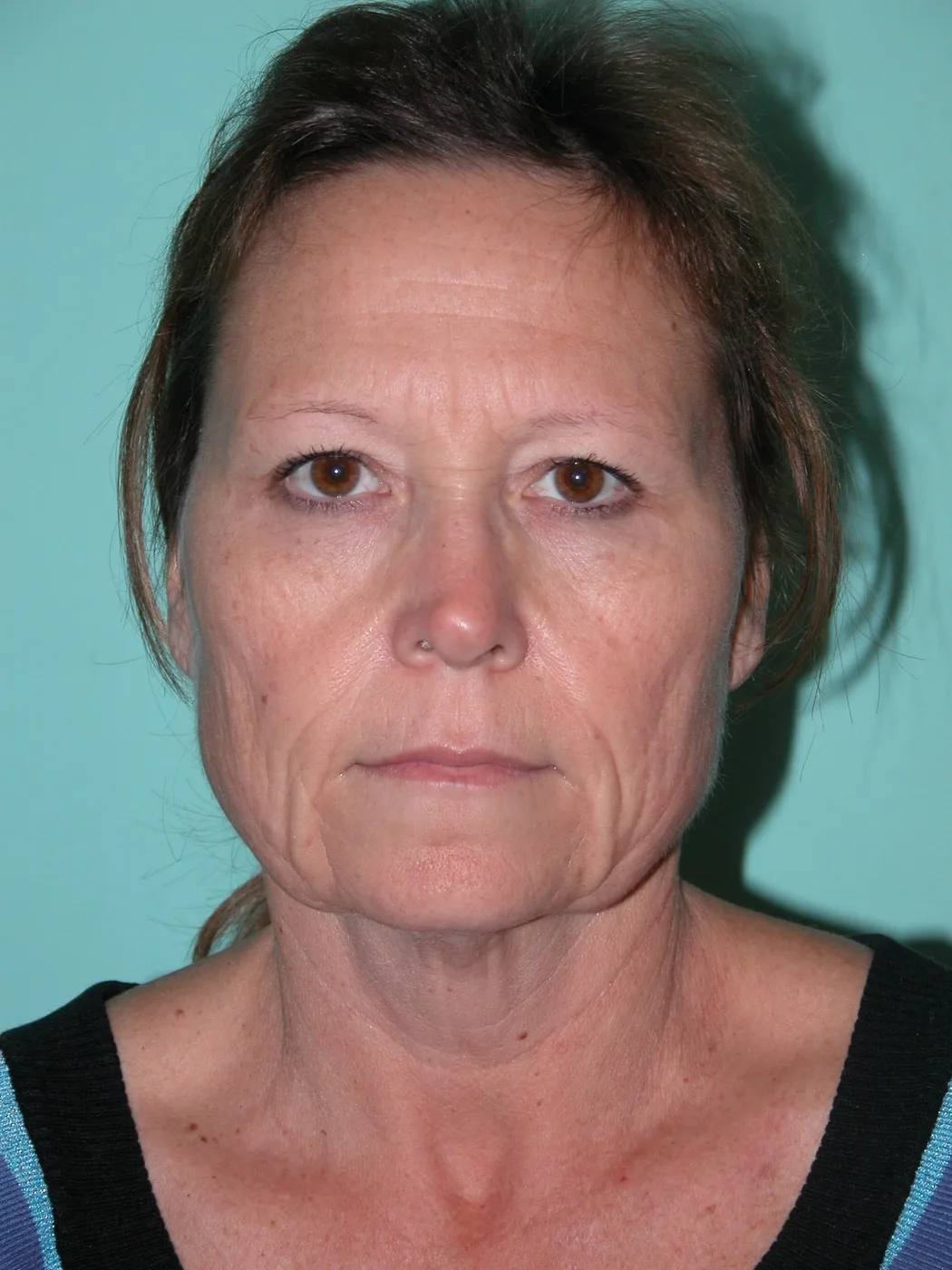
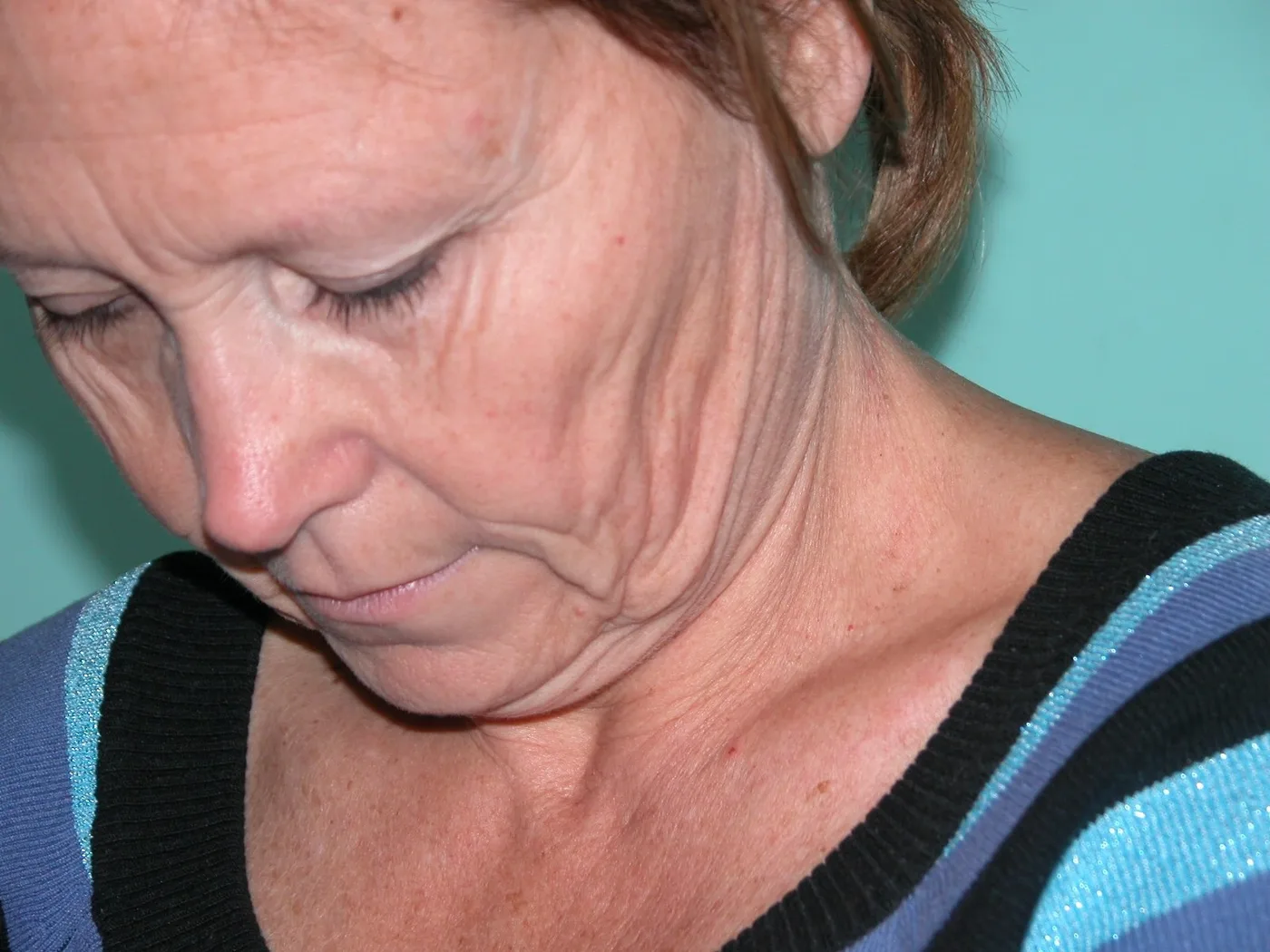
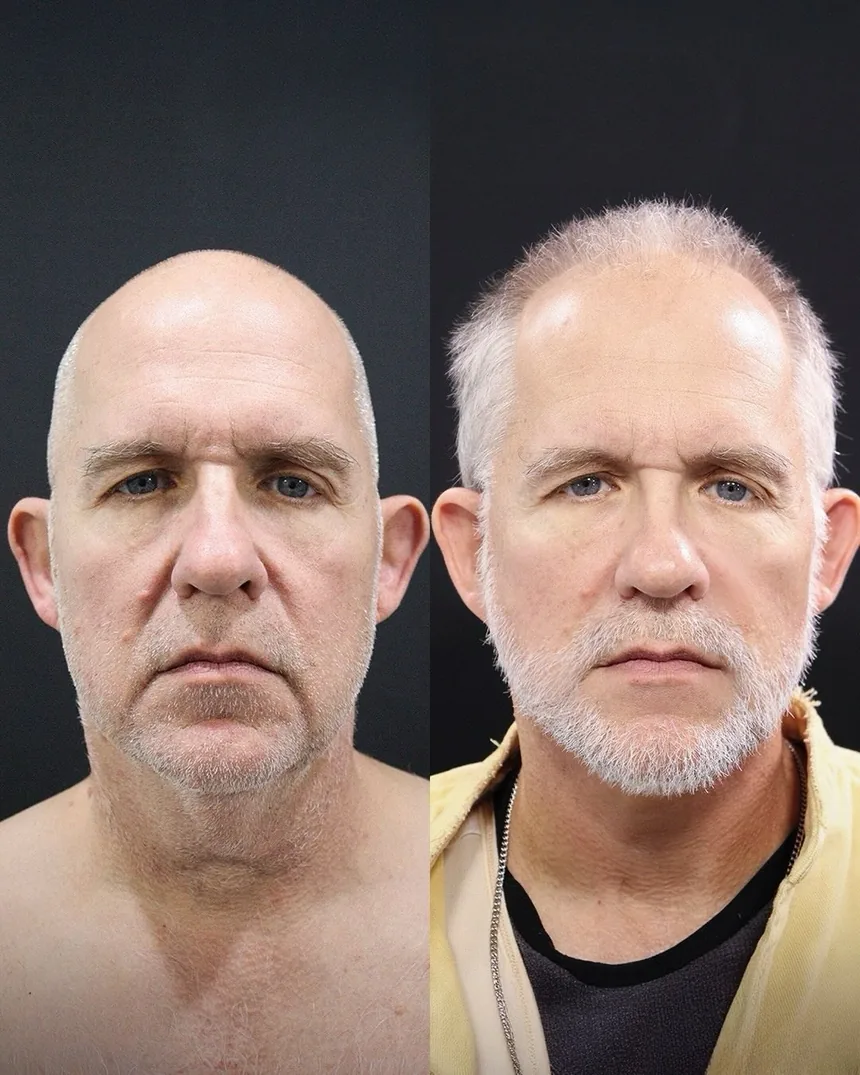
Weight loss is rarely just a smaller face, and the face does not ask how the weight left. Whether the loss came from bariatric surgery, from a GLP-1 medication, or from years of work, the record it keeps is the same. Major weight loss changes the face in three moves: the deep fat that gives the cheek its fullness recedes and the midface flattens, the structure underneath slides downward, and the skin that once held that volume is left in excess, gathering into folds along the jaw and neck.
That is exactly what happens when volume leaves but skin and structure stay behind, and it reads as older and more tired than the number on the scale would suggest. A surface tightening answers the slack and leaves the deflation where it was.
Some patients arrive with a name for it. What is now called Ozempic face, or weight loss face, is this same pairing: the deep fat gone, the structure descended, the skin left in excess. The name is newer than the problem.