Dr. Alejandro Quiroz · Facial Plastic Surgery

Mini facelift vs deep plane.

A mini facelift is a legitimate operation for a specific, earlier face, and one of the most oversold products in aesthetic medicine for every other face. This page draws the honest map: what a mini actually is, since the name is an umbrella and not a standard, what it fixes, where it quietly fails, what its longevity claims rest on, and what happened the last time the industry turned the mini into a brand.

The sixty-second sort

Early jowls, mild laxity along the jawA mini serves
A midface that has fallenPast the window
A neck whose muscle has separatedPast the window

The honest map of that window is this page.

What a mini is

One name, several operations.

“Mini facelift” is not a standardized procedure. It is an umbrella over a family of short-scar lifts, and what your quote actually contains depends entirely on which one, and whom, you are buying. 1 3

Short-scar lift S-lift MACS lift “Weekend” lift Branded trademarks

What the honest versions share: a shorter incision, mostly in front of the ear, limited dissection beneath, commonly local anesthesia with sedation, and a target of early jowls and mild laxity along the jawline. The MACS lift, the best-described member of the family, suspends the tissues vertically with purse-string sutures through a minimal-access incision. 1

What none of them do

Release the ligaments that hold a descended midface down, or repair a neck whose muscle has separated. That is not a criticism. It is the definition, and every honest disappointment with a mini traces to a face that needed more than the definition contains.

What the deep plane does instead

The surgeon, on camera

Which lift does your face actually need?

Dr. Quiroz walks the whole menu in his own words, threads to mini to deep plane, and why the repair happens in the deep layers. Three minutes, subtitled.

On real faces

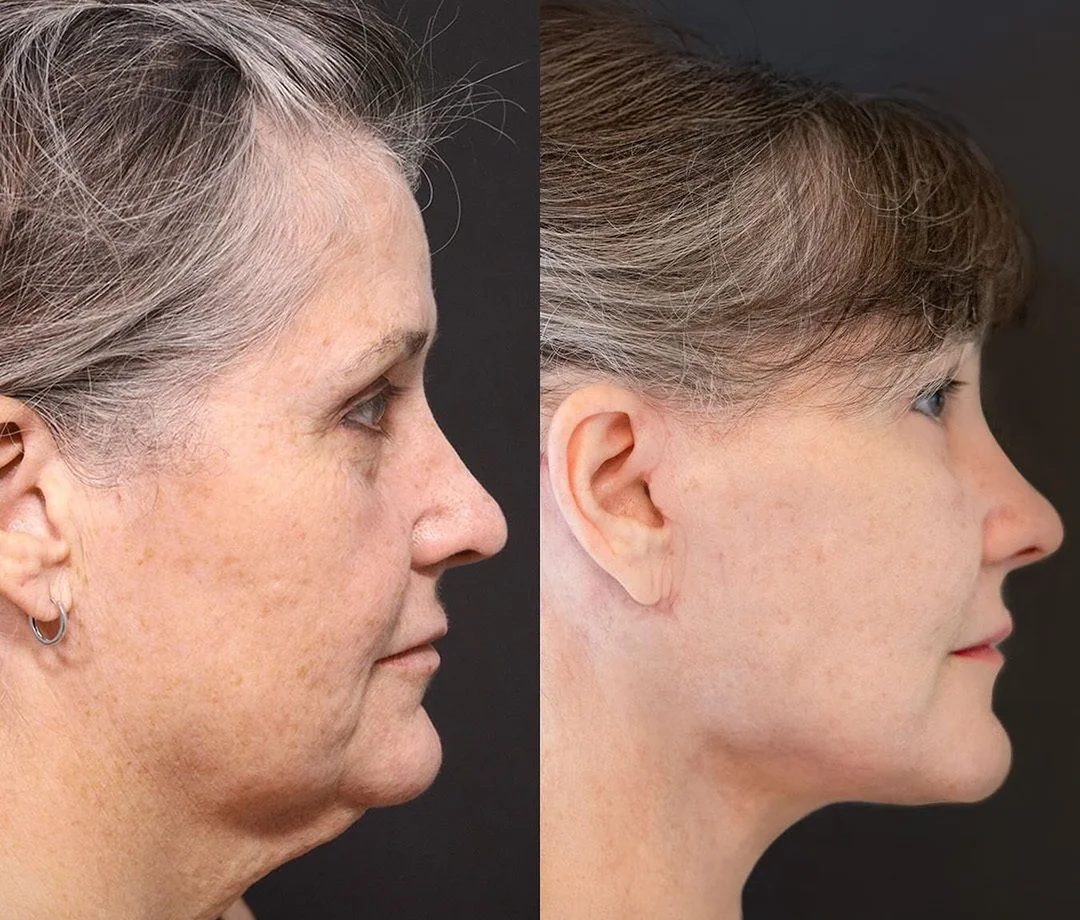
Before and after a deep plane face and neck lift by Dr. Quiroz, in profile: the neck, the part a mini facelift cannot reach. Individual results vary.
The part a mini cannot reach. A neck corrected structurally, in profile, at three months. Real patient, photographed with consent.
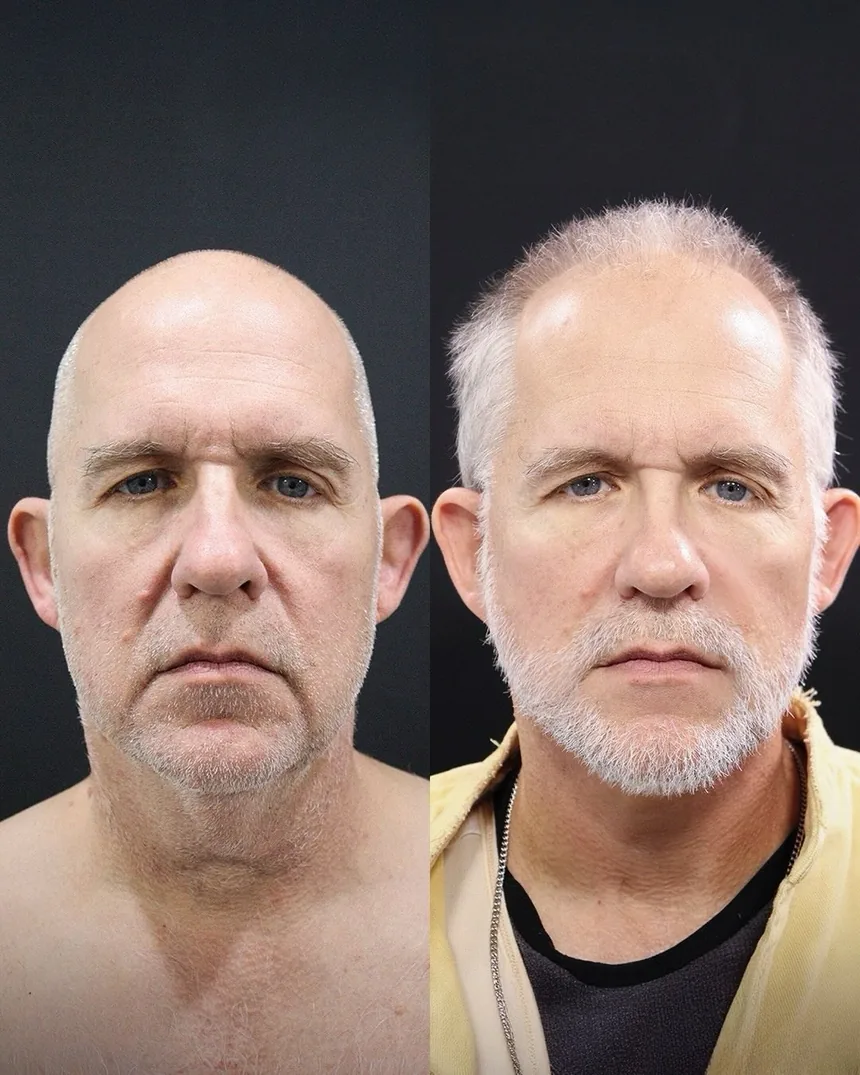
Before and after a deep plane lower face and neck lift by Dr. Quiroz, shown at ten months. Individual results vary.
Past the mini’s window: jowls and neck corrected as one structure, shown at ten months. Real patient, photographed with consent.

The comparison

Mini vs deep plane, line by line.

Six lines, honestly filled, including the two most pages leave blank: the neck, and what the longevity numbers actually rest on. 2

The lineMini faceliftDeep plane facelift
The incision Short scar, mostly in front of the ear. The selling point, honestly earned. Around the ear and into the hairline, designed to heal quiet. Longer, because the work is deeper.
What it treats Early jowls and mild laxity along the jawline, in a face whose midface still holds. The descended midface, the deepened nasolabial fold, broken jawline, and the neck, as one structure.
The neck The quiet failure point: a mini does little for a neck that has let go, and the neck is where results are read. Corrected structurally in nearly every case: the platysma repaired, the deep compartment addressed when the examination says so.
Anesthesia and time Often local with sedation, commonly 2 to 3 hours. A longer operation under anesthesia planned by a board-certified anesthesiologist.
Recovery Commonly quoted at about a week to social recovery. Honest footnote: no controlled comparison exists. Sutures at day 7, socially presentable near 14 days, months of quiet settling.
How long it holds Commonly described as 3 to 5 years on this site’s sources; quoted as high as 10 elsewhere. No controlled basis either way, and the one controlled study of short-scar lifts found the neck giving way by year 5. Commonly described as 10 to 12 years in the technique literature. The same honesty applies: convention, not trial data.

The rule that survives the whole table: a mini on the right face is a good operation. A mini on the wrong face is a deposit on a revision.

Footnote on the anesthesia line: at VIDA Wellness & Beauty every case is attended by Dra. Nadiezhda Garcia Bonilla, a board-certified anesthesiologist (CNCA, CONACEM), present for every operation.

The cautionary tale

When the mini became a brand.

The industry has already tested what happens when a small lift becomes a trademarked product with a national ad budget. The record is public, and it is the best argument this page owns for choosing diagnosis over marketing.

When an operation becomes a product, the diagnosis is the first thing cut.

2009

The astroturfing settlement

Lifestyle Lift, a national chain built on a trademarked short lift, settled with the New York Attorney General for $300,000 over fake online reviews: employees posing as satisfied patients, fake testimonial sites, internal emails instructing staff to spend the day posting as happy customers. The first case of its kind in the country. 4

2013

The second state action

A Florida Attorney General settlement required the company to follow federal testimonial-disclosure guidelines, drop claims in its marketing, and refund customers. 5

2015

The collapse

After years of malpractice suits and roughly a million dollars a week in advertising, the chain closed its offices abruptly and filed for bankruptcy within days. Tens of thousands of patients were left mid-process. 5

The lesson, stated carefully: none of this makes short-scar lifts bad operations. It shows what happens when volume marketing replaces examination, and it is why every page on this site ends the same way: the operation is chosen after your face is read, not before.

Common questions

Mini vs deep plane, asked plainly.

What is the real difference between a mini facelift and a deep plane facelift?

Scope, and the layer where the work happens. A mini facelift is an umbrella name for short-scar operations, the S-lift and MACS lift among them, that tighten early jowls through a smaller incision with limited dissection. A deep plane facelift releases the structures beneath the facial muscle and repositions the midface, jawline, and neck as one unit. One is a smaller answer for an earlier face; the other is a structural answer for a face that has actually descended.

How long does a mini facelift last?

Here is the honest version of a question every page answers with confidence: the commonly quoted spans run anywhere from 3 to 10 years, and none of them come from controlled studies. This site uses 3 to 5, from its technique-literature sources. The one controlled comparison of short-scar and full incisions, in identical twins, found results comparable early and the neck visibly giving way in the short-scar group by about year 5. The neck is where a mini ages first.

Is a mini facelift worth it?

For the right face, genuinely yes: early jowls, mild laxity, a midface that still holds, and a patient who values the shorter scar and recovery over maximum longevity. For the wrong face, it is the most expensive procedure per year of result in facial surgery, because it gets revised. The worth of a mini is a diagnosis, not a price.

Does a mini facelift help the neck?

Minimally, and this is the question that separates honest pages from the rest. The short incision and limited dissection of a mini cannot repair a platysma that has separated or reach the deeper neck. If your concern includes the neck, and for most patients over 50 it does, a mini treats the part of your face you were least worried about.

Am I a candidate for a mini facelift?

The honest profile: usually in your 40s to early 50s, early jowls, mild skin laxity, a midface that has not meaningfully descended, and a neck that needs refinement rather than repair. If you recognize yourself, a mini is a legitimate answer, and if a surgeon who profits from the bigger operation tells you that, you can trust it more. If your descent is further along, a mini buys a smaller version of the wrong operation.

What happened to Lifestyle Lift?

The industry already ran the experiment of selling mini lifts as a branded, mass-marketed product, and the record is public. Lifestyle Lift, a national chain built on a trademarked short lift, settled with the New York Attorney General in 2009 for astroturfing, employees posing as satisfied patients online, in the first case of its kind in the country, faced a second state action over its marketing in 2013, and closed abruptly into bankruptcy in 2015. The lesson is not that mini lifts are bad. It is that when an operation becomes a product with an ad budget, the diagnosis is the first thing cut.

Can I have a mini facelift now and a full facelift later?

Yes, and surgeons revise prior lifts routinely. The honest accounting: two operations, two recoveries, two costs, and scar tissue that makes the second operation somewhat harder. If your face already needs structural work, staging it through a mini first is usually the expensive route to the same destination.

Why does Dr. Quiroz not lead with mini facelifts?

Because most patients who travel for surgery arrive past the mini’s honest window: the midface has descended and the neck needs repair, which is deep plane territory. When a face genuinely suits a smaller operation, that is what the consultation will say, because the wrong operation done well still ages out quickly, and it is his name on the result.

Sources

  1. S1Tonnard P, Verpaele A. Minimal access cranial suspension lift: a modified S-lift. Plastic and Reconstructive Surgery. 2002;109(6):2074-2086; and the MACS-lift systematic review, Journal of Plastic, Reconstructive and Aesthetic Surgery, 2021. PMID 34922854.
  2. S2Antell DE, May JM, Bonnano MJ, Lee NY. A Comparison of the Full and Short-Scar Face-Lift Incision Techniques in Multiple Sets of Identical Twins. Plastic and Reconstructive Surgery. 2016;137(6):1707-1714. PMID 26890507.
  3. S3Cervicofacial Rhytidectomy; Deep Plane Facelift. StatPearls, NCBI Bookshelf.
  4. S4New York State Attorney General, settlement with Lifestyle Lift over fake online reviews, announced July 2009: $300,000 in penalties and costs, described as the first astroturfing case of its kind in the nation.
  5. S5Press coverage of Lifestyle Lift: the 2013 Florida Attorney General marketing settlement referencing FTC testimonial guidelines, and the March 2015 closure and bankruptcy filing (Wall Street Journal, Consumerist).
  6. S6Hamra ST. The deep-plane rhytidectomy. Plastic and Reconstructive Surgery. 1990;86(1):53-61. PMID 2359803.

Written and medically reviewed by Dr. Alejandro Quiroz, board certified in plastic and reconstructive surgery, CMCPER No. 293. Last reviewed July 2026.

The surgeon, and the place

Every recommendation here is worth exactly as much as the surgeon behind it.

Dr. Alejandro Quiroz operating at VIDA Wellness & Beauty in Tijuana

The surgeon

Dr. Alejandro Quiroz

Board certified in plastic and reconstructive surgery since 1984 (CMCPER No. 293), an active California physician and surgeon license held since 1986, and fellowship training under Bruce F. Connell. 37 years, more than 3,000 facelifts. The surgeon you consult is the surgeon who operates.

The full record, with registries
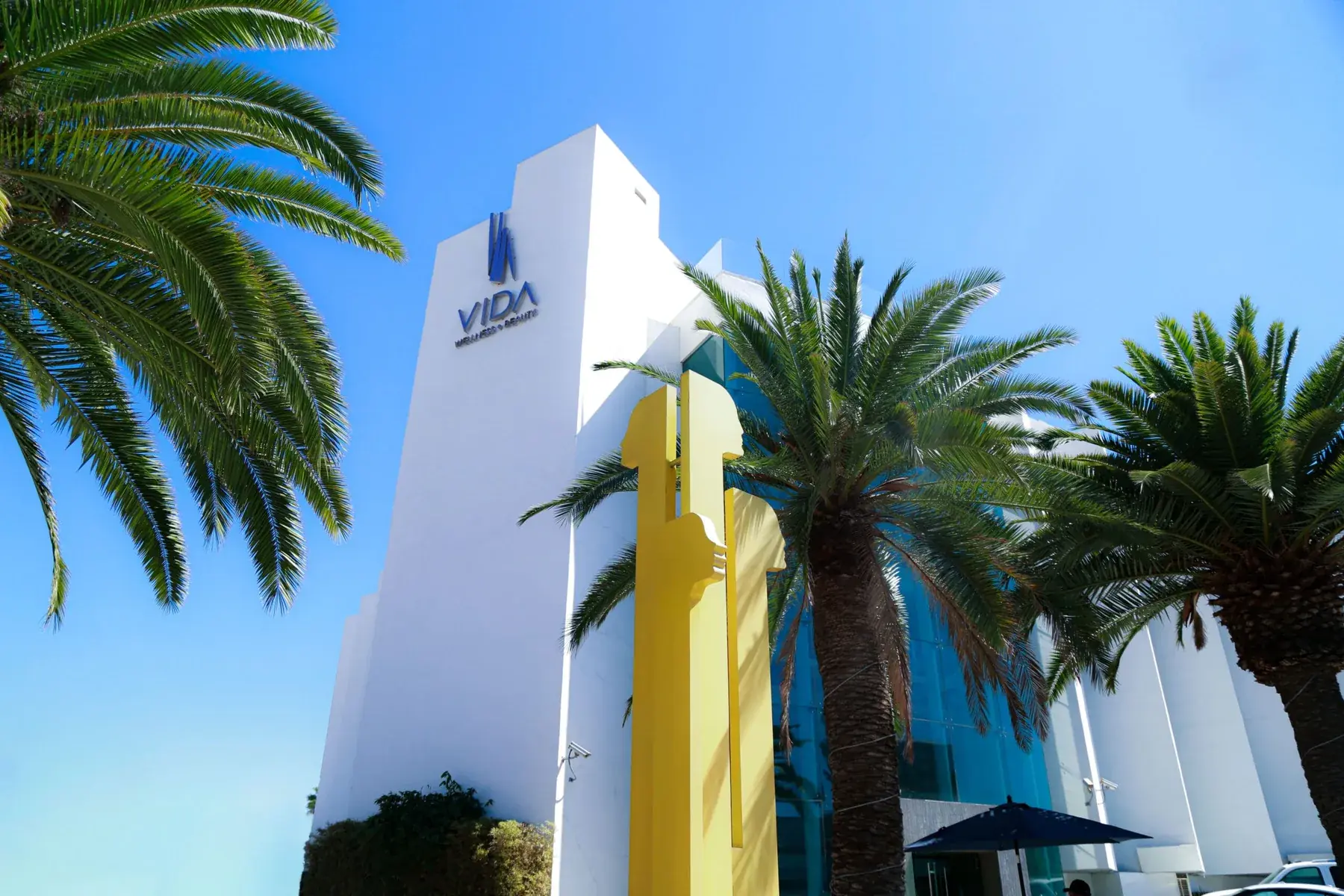
VIDA Wellness & Beauty in Zona Rio, Tijuana

The facility

VIDA Wellness & Beauty

The first Quad A (formerly AAAASF) accredited surgical facility in Mexico, licensed by COFEPRIS, 15 minutes from the San Diego border. Dra. Nadiezhda Garcia Bonilla, a board-certified anesthesiologist, is present for every case, and recovery happens in the on-site Recovery Boutique with nursing around the clock.

The facility and anesthesia

Small operation or structural one: let it be a diagnosis.

If your face is genuinely in the mini’s window, you will hear it here, from a surgeon with no product to sell you. If it is not, you will hear that too, with the reasons on the table. Your questionnaire and photos are studied first, then a call, by phone or video, then an itemized quote, in that order.

Request a Consultation