Dr. Alejandro Quiroz · Facial Plastic Surgery

Is a facelift in Mexico safe?

Yes, when five specific things are true, and no when they are not. Mexico has board-certified specialists in accredited facilities and it has impostors in unlicensed clinics, sometimes on the same street. Every documented disaster you have read about traces to the second group, and every one was checkable in advance. This page names the failures, walks the five layers safety is made of, and teaches you to verify all five for any surgeon, including this one.

The failures

How surgery in Mexico actually goes wrong.

Not randomly. The documented disasters repeat four specific failures, and each one was checkable before anyone was on a table. Learn the four and you have learned most of what this page has to teach. 2 5

01

The anesthesia failure

Matamoros, 2023: 24 Americans contracted fungal meningitis after cosmetic surgery, and 12 died. Every case shared the same anesthesiologist. 2

How it failsAnesthesia is the part of surgery patients research least and survive worst when it goes wrong. Contaminated medication, no dedicated anesthesiologist, or one unqualified person covering two clinics.

How you check itAsk who is giving your anesthesia, by name and credential, and whether they stay for the whole case. Here it is a board-certified anesthesiologist, present start to finish, in a facility whose accreditation audits anesthesia protocols by class.

02

The impostor surgeon

Tijuana, 2021: a Long Beach mother died during liposuction. The man operating was a general practitioner with no plastic surgery certification. In 2022, reporters found one operator was reportedly a veterinarian. 5

How it failsMexico, like the US, lets the word doctor stretch. The plastic surgeons’ own college estimates hundreds of impostors in Tijuana alone, and a title on a door is not a specialty.

How you check itTwo public registries settle it in minutes: the federal cédula registry must show a specialty license in plastic surgery, and the CMCPER board directory must show current certification. A certified surgeon hands you both numbers before you ask.

03

The unlicensed facility

Tijuana, 2022: 3 deaths in one month, one at a facility that had been operating without a license. Regulators closed 78 clinics that year. 5

How it failsA beautiful lobby is not an operating room standard. Unlicensed clinics exist because they are cheaper to run, and the difference is invisible until it is not.

How you check itAsk for the facility’s license and its accreditation by name. VIDA Wellness & Beauty is licensed by COFEPRIS, Mexico’s federal health authority, and was the first facility in Mexico accredited by Quad A, formerly AAAASF.

04

The infection-control failure

Tijuana, 2019: the CDC told Americans not to have surgery at one named hospital after patients carried a drug-resistant bacteria home to 9 US states. 3

How it failsSterilization is the most invisible layer of all. No patient can inspect it, which is exactly why disasters here travel: infections surface days later, at home, in another country.

How you check itThis is what facility accreditation is for. Quad A audits sterilization, medication handling, and infection control on a schedule, not on trust, and requires operating surgeons to hold hospital privileges in their specialty.

The pattern across all four: the failure was upstream of the operating room, in something a registry or an accreditor already knew. Safety is not luck in Mexico any more than it is in the United States. It is verification, done before, and the next section is what you are verifying.

The five layers

What safety is actually made of.

Not a country, not a price, not a technique: five layers, stacked, each one covering for a different way things go wrong. Every layer below is verifiable for this practice, and the diagram fills in as you read.

Layer 01

The surgeon

A specialist certified by the national board of the specialty, with the record to show for it.

Where it breaks elsewhereElsewhere: a general practitioner, a title without a specialty, a certification that expired quietly.

Here, verifiablyBoard certified in plastic and reconstructive surgery since 1984, CMCPER No. 293, recertified through 2030, with an active California license held since 1986 and more than 3,000 facelifts across 37 years.

The full record, with registries

Layer 02

The anesthesiologist

A second physician whose entire job is keeping you safe while someone else operates.

Where it breaks elsewhereElsewhere: a technician, a surgeon dosing his own patient, one anesthesiologist stretched across clinics.

Here, verifiablyDra. Nadiezhda Garcia Bonilla, board certified (CNCA, CONACEM), present for the whole case, every case. Not on call.

The facility and anesthesia

Layer 03

The facility

An operating room that answers to an external auditor for sterilization, medication, and emergencies.

Where it breaks elsewhereElsewhere: a licensed-looking clinic no regulator has entered, or one that reopened under a new name.

Here, verifiablyVIDA Wellness & Beauty, the first Quad A (AAAASF) accredited surgical facility in Mexico, licensed by COFEPRIS, with the operating rooms and recovery suites under one roof.

Layer 04

The first night

The hours when the rare serious complication declares itself, spent where it can be answered.

Where it breaks elsewhereElsewhere: discharged to a hotel, or worse, to a highway, hours after anesthesia.

Here, verifiablyThe night is spent at the on-site Recovery Boutique with nursing around the clock and the surgical team upstairs from the problem.

Layer 05

The follow-up

Care that continues after the border, with the surgeon who operated.

Where it breaks elsewhereElsewhere: a stranger’s voicemail. In published series, only about a quarter of medical-travel patients ever see their operating surgeon again.

Here, verifiablySutures at day 7, remote follow-up with Dr. Quiroz himself through the months that matter, a 24/7 line, and your records in hand so no doctor at home has to guess.
Filmed where you wake up

The first nights, all included.

  • Nursing around the clock, on the floor with you
  • Meals, brought to your suite
  • Your post-operative medication, managed
  • The daily care of early recovery: drains checked, questions answered

This is the Recovery Boutique at VIDA Wellness & Beauty, upstairs from the operating rooms. It is a line on the quote, not an upsell.

The honest risks

The risks that belong to the travel, not the country.

A page that only defended Mexico would be marketing. Medical travel itself carries real, documented risks that exist wherever the operating room is excellent, and they deserve naming next to their mitigations.

Also worth knowing

Standard US health and travel insurance commonly exclude complications of elective surgery abroad. The CDC recommends travel coverage that includes medical evacuation, and dedicated complication coverage for medical travel exists as a real product. It comes up in consultation here, not in fine print. 1

Flying too soon after surgery

The documented riskSurgery raises clotting risk and long flights compound it. The published guidance is to wait 7 to 10 days after facial surgery before flying, 10 to 14 after major surgery. 1

The mitigation hereThe calendar here is built around it: sutures out around day 7, short flights commonly at 10 days to 2 weeks, and most Southern California patients cross home by land anyway.

The continuity gap

The documented riskThe best-documented risk of surgery abroad is not the operation but what follows it: in published series only about 26 percent of medical-travel patients ever see their operating surgeon again. 7

The mitigation hereFollow-up here is structured before surgery is scheduled, not improvised after: remote reviews with the surgeon who operated, a 24/7 line, and the operative report in your hands when you fly home.

Infection, the most common complication

The documented riskIn a survey of American aesthetic surgeons, infection was the most common complication seen in patients returning from surgery abroad, and most were managed with oral antibiotics as outpatients. 7

The mitigation herePrevention lives in the facility layer: audited sterilization and medication handling, and warning signs taught before you leave, so the rare infection is caught at day two, not day ten.

Verify anyone

How to verify any surgeon in Mexico, in about ten minutes.

Verifying a Mexican surgeon takes four checks, all public and free: the federal cedula registry for the specialty license, the CMCPER directory for board certification, the state medical board lookup for any US license claimed, and the facility’s own accreditation and license. In the failure stories above, none of the four was consulted. Use them on this practice first, then on anyone you are considering. 10

01

Look up the specialty license

Mexico’s federal registry of professional licenses is public. A real plastic surgeon holds two cédulas: a general medical license and a specialty license in plastic and reconstructive surgery. Search the name; both should appear.

cedulaprofesional.sep.gob.mx

For Dr. Quiroz

Médico Cirujano No. 550795 and Cirugía Plástica y Reconstructiva No. 3175867.

02

Check the board certification

The CMCPER is the Mexican board of plastic, aesthetic and reconstructive surgery, the counterpart of American board certification. Its directory of certified surgeons is public. Certification is voluntary, which is exactly why holding it means something.

CMCPER / AMCPER directory

For Dr. Quiroz

Certificate No. 293, first issued 1984, recertified through 2030.

03

Verify any US license they claim

A Mexican surgeon claiming a US license is making a checkable claim: every state medical board runs a public lookup. A real US license also means a US accountability body with authority over the surgeon.

Medical Board of California lookup

For Dr. Quiroz

Physician and Surgeon license A 42463, California, held since 1986, active.

04

Verify the facility, not just the surgeon

Ask where the surgery happens, then check that facility’s accreditation by name. Quad A publishes its standards; COFEPRIS licenses the facility federally. If the answer to “where” is vague, stop.

VIDA Wellness & Beauty, safety and accreditation

For this practice

VIDA Wellness & Beauty, Zona Rio, the first Quad A accredited facility in Mexico.

05

Ask the questions that have no good evasions

Who gives the anesthesia, and do they stay? Where do I spend the first night? Who do I call at 2am, and what happens after I fly home? A safe practice answers in specifics. An unsafe one answers in reassurance.

The full checklist, applied to this practice

For this practice

Every line of this walkthrough is answered on the checklist page, with the registries linked beside each claim.

Common questions

The safety questions, answered plainly.

Is a facelift in Mexico safe?

It is as safe as the specific surgeon, anesthesiologist, and facility you verify, and no safer. Mexico has both: board-certified specialists operating in accredited facilities, and impostors operating in unlicensed clinics, sometimes in the same city. The documented disasters in Mexican medical tourism all trace to the second group: unverified providers, missing anesthesiologists, unlicensed facilities. With Dr. Quiroz the five layers of safety are each verifiable in a public registry: the board-certified surgeon, the board-certified anesthesiologist, the Quad A accredited facility, the monitored first night, and follow-up that continues after you fly home.

Is plastic surgery in Tijuana safe?

The same answer as for the facelift, generalized: Tijuana has board-certified specialists in accredited facilities and impostors in unlicensed clinics, and the documented disasters trace to the second group. Safety is a property of the specific surgeon, anesthesiologist, and facility you verify, and every one of those is checkable in a public registry before you commit to anyone.

Is Mexican board certification equivalent to US board certification?

The CMCPER is the Mexican board of plastic, aesthetic and reconstructive surgery, the counterpart of American board certification, with its own certification and recertification cycle. One honest difference works in your favor: certification is voluntary in Mexico, so a surgeon who holds and maintains it chose to be examined. Current status is checkable in the public directory.

How do I verify a plastic surgeon in Mexico?

In minutes, using public registries. Search Mexico’s federal cédula registry for two licenses, the general medical degree and the plastic surgery specialty. Then check the CMCPER, the Mexican board of plastic surgery, whose directory of certified surgeons is public. If the surgeon claims a US license, verify it on that state medical board’s lookup. Then verify the facility separately: its COFEPRIS license and its accreditation by name. A certified surgeon will hand you every number before you ask; hesitation is itself an answer.

What about the deaths in the news?

They happened, and this site reads them closely rather than pretending otherwise. The fungal meningitis outbreak of 2023, with 12 deaths, traced to shared anesthesia at 2 Matamoros clinics on the opposite end of the border. The documented Tijuana deaths involved a general practitioner without plastic surgery certification, an unlicensed facility, and, in one reported case, a veterinarian operating. Every one of those failures was checkable in advance in a public registry, which is the lesson, and the argument of this page.

Is the anesthesia in Mexico safe?

Anesthesia is exactly as safe as the person giving it and the protocols around them, in any country. The worst documented disaster in Mexican medical tourism was an anesthesia failure, which is why this is the first question to ask any clinic: who gives the anesthesia, what is their certification, and do they stay for the whole case. Here the answer is a board-certified anesthesiologist, present start to finish, in a facility whose Quad A accreditation audits anesthesia protocols and medication handling.

Why do American surgeons warn against surgery in Mexico?

Partly for good reasons, and the good reasons are on this page: unverified providers, marathon combined surgeries, flying too soon, and the continuity gap when patients come home. The ASPS position urges caution rather than banning the idea, and its concerns, credentials, accreditation, follow-up, are precisely the things a careful patient verifies. It is also fair to note that American surgeons see the complications that cross back and never see the majority who heal uneventfully, which shapes the view from their side of the border.

How common are complications from cosmetic surgery abroad?

Honest answer: comprehensive numbers do not exist, in either direction, so distrust anyone quoting a precise rate. What is documented: in a survey of American aesthetic surgeons, most had treated returning medical-travel patients, infection was the most common issue, and most cases were managed without surgery. What is also documented is the denominator: on the order of a million Americans travel to Mexico for care each year, overwhelmingly without incident. The risk concentrates where verification fails.

What happens if I have a complication after I get home?

For an emergency, any US hospital emergency room must screen and stabilize you under federal law, regardless of where the surgery happened. For everything else, the honest risk is continuity, and it is answered here by structure: you fly home with your operative report and records, the surgeon who operated reviews your recovery remotely, and a 24/7 line comes with the warning signs taught before you leave. What no honest practice will promise is that a random US surgeon will happily take over another surgeon’s elective revision; the plan is built so you never need one.

Is Tijuana itself dangerous?

The State Department rates Baja California at Level 3, reconsider travel, noting that violence is overwhelmingly targeted and concentrated in non-tourist areas; the 2023 kidnapping people remember happened in Tamaulipas, a Level 4 state at the other end of the border. The medical district, Zona Rio, is among the most policed parts of the city, and patients here travel door to door with coordinated transportation, through border lanes that exist specifically for medical patients.

Is VIDA Wellness & Beauty actually accredited?

Yes: Quad A (formerly AAAASF) accredited, the first facility in Mexico to earn it, and licensed by COFEPRIS, Mexico’s federal health authority. The facility page walks what that accreditation audits, and who gives the anesthesia, by name.

Should I buy medical travel insurance?

Worth knowing before you decide anything: standard US health and travel policies commonly exclude complications of elective surgery abroad. The CDC recommends travel coverage that includes medical evacuation, and dedicated complication coverage for medical travel exists as a real product covering months after a procedure. It comes up in consultation here rather than being left for you to discover later.

Does the deep plane technique change the safety conversation?

Technique is the wrong layer for the safety question, and a page about safety should say so. A deep plane facelift in unqualified hands is not safer than a simple lift in qualified ones. What technique does change is the result and its longevity. Safety lives in the five layers above it: the surgeon, the anesthesiologist, the facility, the first night, and the follow-up. Verify those first, then talk technique.

What are the red flags to walk away from?

A price that cannot itemize itself. A surgeon you will not meet until surgery day. No anesthesiologist of record. A facility that answers accreditation questions with photographs of the lobby. Pressure to bundle procedures into one long operation. And any hesitation when you ask for license numbers. The vetting checklist on the Tijuana page turns these into ten minutes of homework.

Sources

  1. S1CDC, Medical Tourism guidance and Yellow Book, Health Care Abroad: clinician qualifications, facility accreditation, follow-up, records, insurance with evacuation coverage, and delaying air travel after surgery. source
  2. S2CDC Health Alert Network HAN-00491 and HAN-00492, fungal meningitis outbreak among US patients after procedures in Matamoros, Mexico, 2023; and the outbreak report in Clinical Infectious Diseases, 2024. 24 cases, 12 deaths.
  3. S3CDC travel notice, January 2019, and WHO Disease Outbreak News, March 5, 2019: carbapenem-resistant Pseudomonas aeruginosa infections in US patients after surgery at a Tijuana hospital.
  4. S4US Department of State, Mexico Travel Advisory: state-level advisory tiers and the health section on elective surgery in Mexico. source
  5. S5NBC 7 San Diego investigative reporting, 2022 and 2023: cosmetic surgery deaths in Tijuana, regulatory closures, and the College of Plastic Surgeons’ impostor estimates.
  6. S6American Society of Plastic Surgeons, briefing paper on cosmetic surgery tourism; and ISAPS patient-safety guidance on traveling abroad for aesthetic surgery.
  7. S7Report on Current Experience of ASAPS Membership and Management of Cosmetic Tourism Complications, Aesthetic Surgery Journal Open Forum, 2019, PMC7671244; and Medical Tourism in Plastic Surgery: A Case Series, PMC10929066, including the follow-up figure near 26 percent. source
  8. S8Quad A (formerly AAAASF) accreditation standards for ambulatory surgical facilities: anesthesia classes, physician presence, sterilization, and surgeon privilege requirements. source
  9. S9CMS and ACEP, the Emergency Medical Treatment and Labor Act (EMTALA): emergency screening and stabilization obligations of US hospitals.
  10. S10Public verification registries: Registro Nacional de Profesionistas (cedulaprofesional.sep.gob.mx), CMCPER and AMCPER directories, COFEPRIS, and the Medical Board of California license lookup. source
  11. S11Patients Beyond Borders estimates of US medical travel to Mexico; US GSA data on the San Ysidro Port of Entry.

Written and medically reviewed by Dr. Alejandro Quiroz, board certified in plastic and reconstructive surgery, CMCPER No. 293. Last reviewed July 2026.

The surgeon, and the place

Every recommendation here is worth exactly as much as the surgeon behind it.

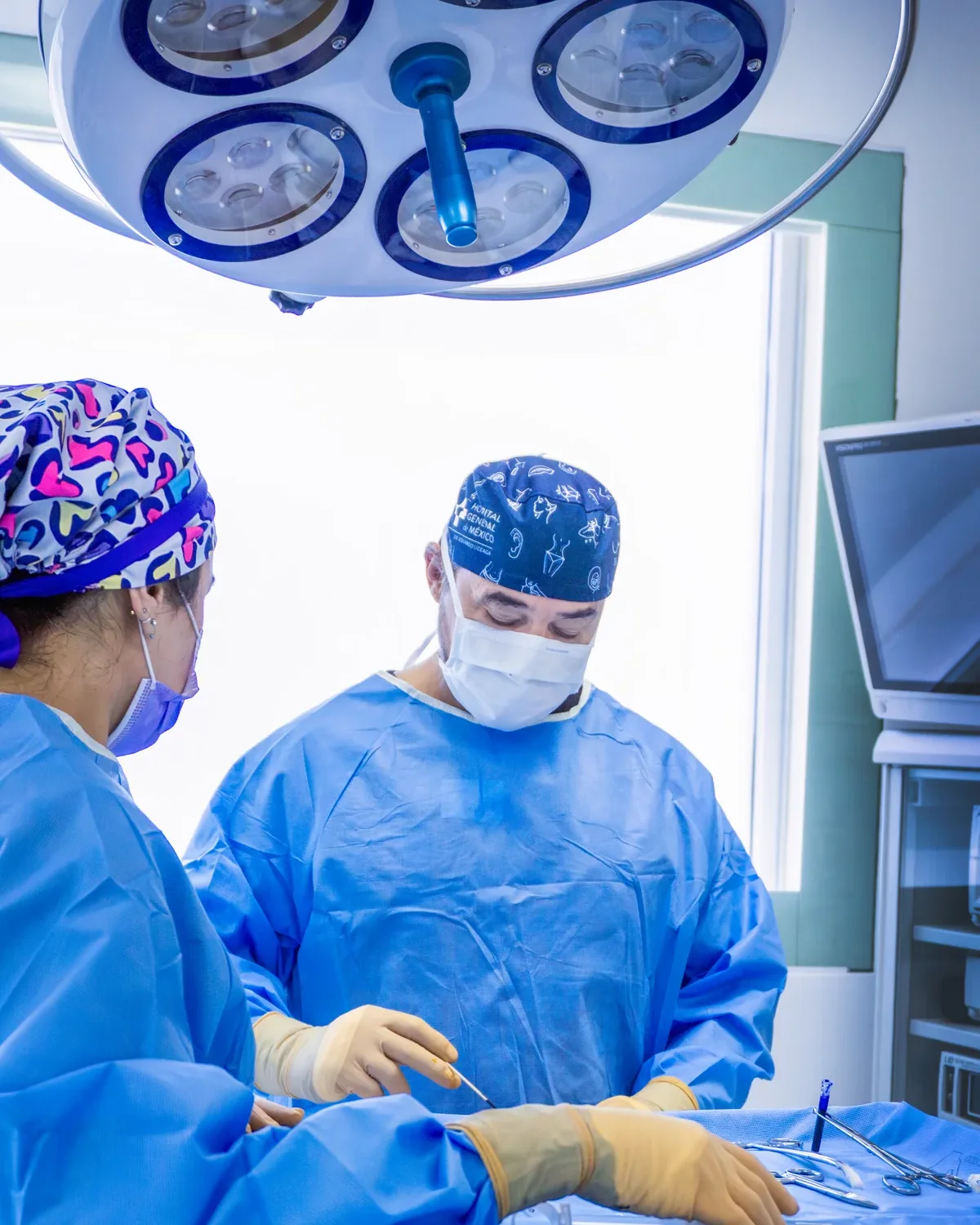
Dr. Alejandro Quiroz operating at VIDA Wellness & Beauty in Tijuana

The surgeon

Dr. Alejandro Quiroz

Board certified in plastic and reconstructive surgery since 1984 (CMCPER No. 293), an active California physician and surgeon license held since 1986, and fellowship training under Bruce F. Connell. 37 years, more than 3,000 facelifts. The surgeon you consult is the surgeon who operates.

The full record, with registries
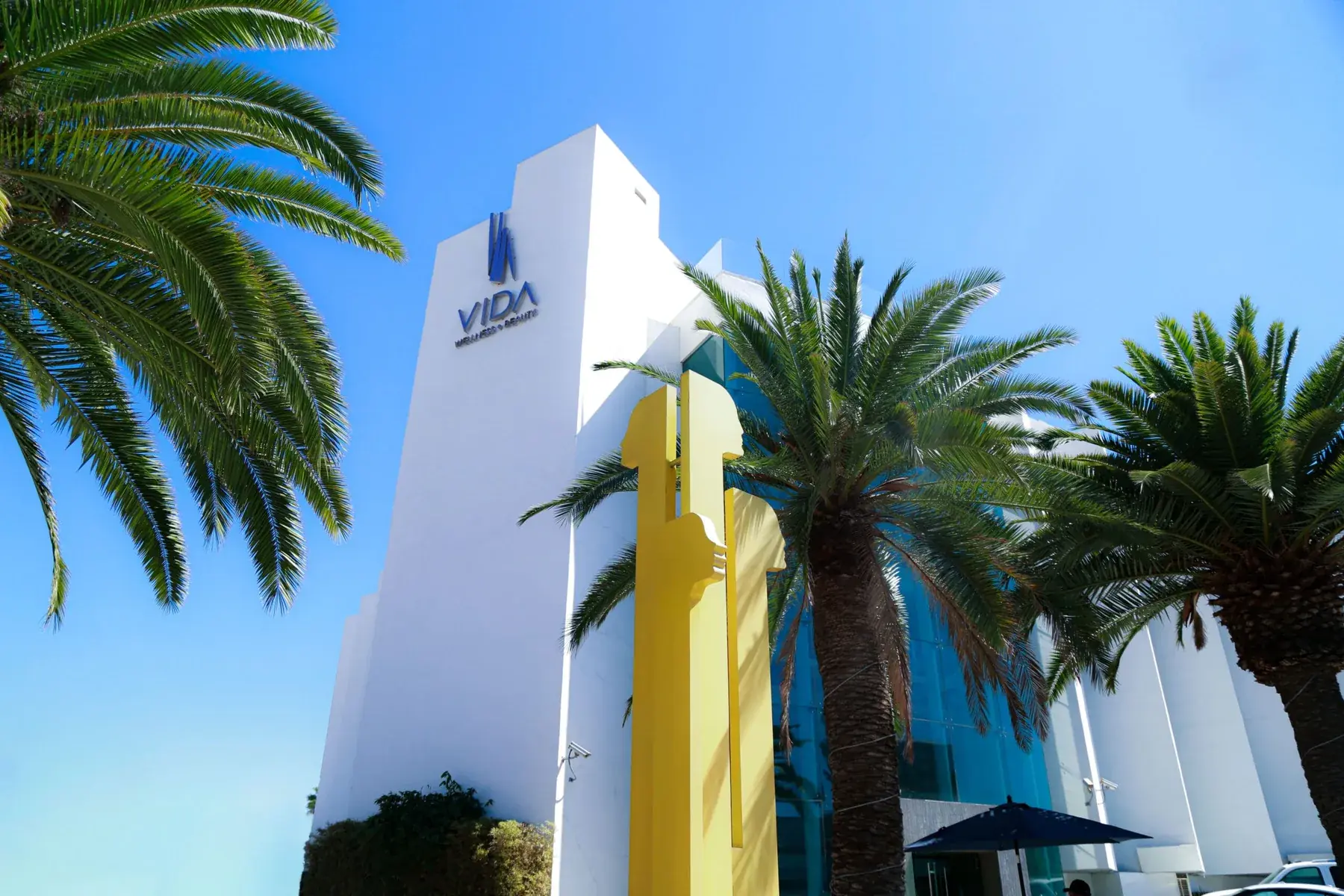
VIDA Wellness & Beauty in Zona Rio, Tijuana

The facility

VIDA Wellness & Beauty

The first Quad A (formerly AAAASF) accredited surgical facility in Mexico, licensed by COFEPRIS, 15 minutes from the San Diego border. Dra. Nadiezhda Garcia Bonilla, a board-certified anesthesiologist, is present for every case, and recovery happens in the on-site Recovery Boutique with nursing around the clock.

The facility and anesthesia

Safe is not a country. It is a checklist with your name on it.

If this page did its work, you can now verify any surgeon on either side of the border, and you know exactly what to ask. Start with this practice, since the numbers are already in your hands.

Request a Consultation

A remote conversation first. Nothing is scheduled until you have seen the plan, the quote, and the timeline.

Prefer a voice first? Call or text +1 (619) 738-2144. A coordinator answers, not a phone tree.