Dr. Alejandro Quiroz · Facial Plastic Surgery

Facelift recovery, week by week.

The first week is the one patients feel most, and the first thing to know is that it is supposed to look this way: swollen, bruised, plainly operated on, and temporary. This page walks the honest shape of healing, day by day, so nothing that happens to your face surprises you, including the parts that look worse before they look better.

The shape of it

Worse before better, on a schedule. The dot is day 7. The honest curve ↓

Day 7 sutures out, the corner most patients feel
~Day 14 socially presentable, for most
~6 days planned in Tijuana, near the team
Months for the deep swelling to fully settle

The honest curve

It looks worse before it looks better. On a schedule.

Swelling rises for the first 2 or 3 days, turns, and falls fast through the first 2 weeks, and that early mountain is where patients panic if nobody warned them. Then comes the long, invisible tail: the deep swelling that only you and your surgeon can still see, settling over months while the result clarifies. The shape below is that story, drawn honestly. It is a shape, not a promise: individual recovery varies.

The corner, on the curve

Day 7, sutures out, is where most patients feel it turn: the early swelling has started down, and the face begins to look like itself again.

Swelling over time: the shape every recovery follows, at its own pace.

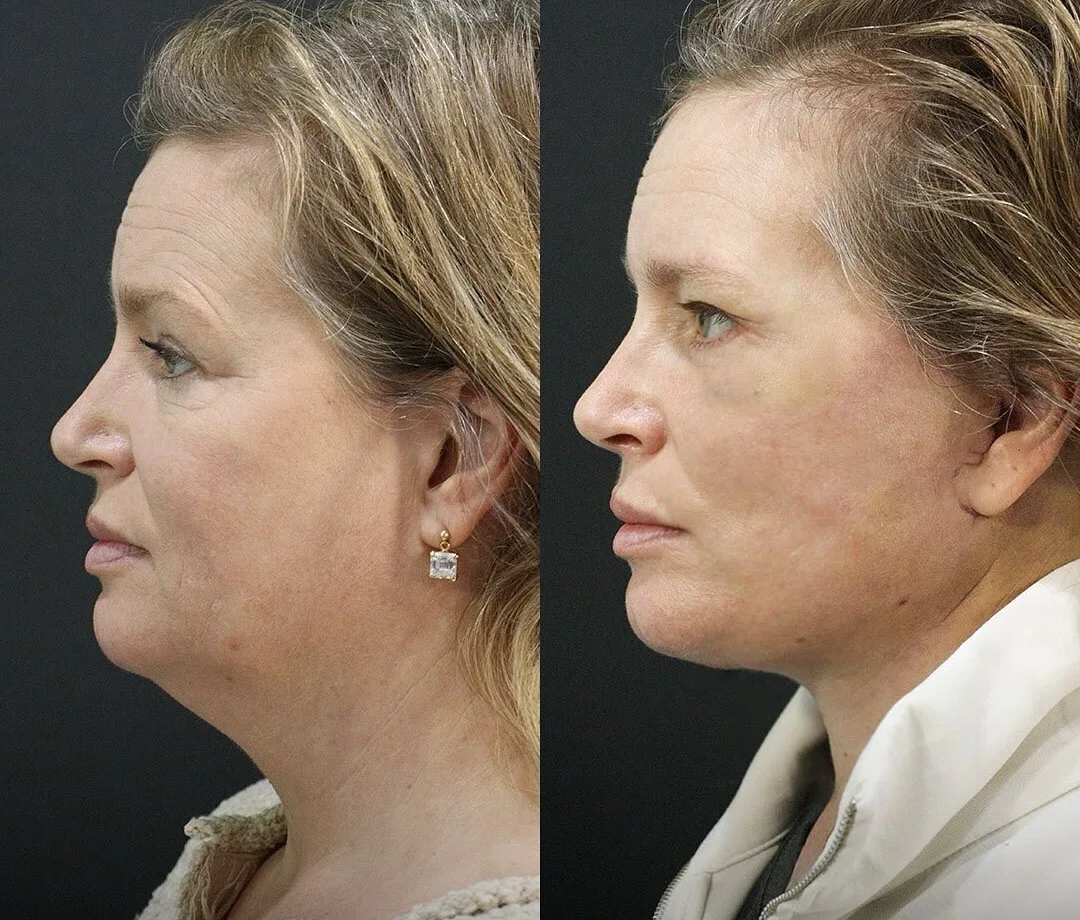
A patient of Dr. Quiroz 2 weeks after a face and neck lift, shown early on purpose: structure rebuilt, swelling still settling.
2 weeks, shown on purpose. The structure is already rebuilt; what remains is the tail of the curve. Individual results vary.

Week by week

What does facelift recovery look like, day by day?

The protocol below is this practice’s, stated as typical figures rather than promises. The first days happen beside the team in Tijuana on purpose, because that is when presence matters; the months happen at home, with remote follow-up from the surgeon who operated. 1

  1. Day of surgery

    First, 1 hospitalization night under observation with nursing on hand. A support garment, commonly a small drain on each side, and a face that looks operated on. Expected, and temporary.

  2. Days 1 to 3

    The move to the Recovery Boutique, on-site at VIDA Wellness & Beauty, days 1 to 6 one floor from the surgical team, with 24-hour nursing, chef-prepared meals, WiFi and free international calls. This is the hard stretch, honestly named: swelling and bruising peak, tightness peaks with them. You rest, keep your head elevated, and let the work settle. The team is in the building, which is exactly why these days are spent in Tijuana rather than at home.

  3. Days 2 to 3

    Drains commonly come out at 48 to 72 hours. Most patients describe pressure and tightness rather than pain, managed with medication.

  4. Day 7

    Sutures come out, and the early swelling has usually started to recede. The face begins to look like itself again. Most patients feel the corner turn here.

  5. The road home

    Most Southern California patients cross back by land rather than fly. The practice runs a free shuttle from 4 San Diego pickup points, Monday to Saturday, with room for 1 companion; patients who drive their own car cross on a Medical Fast Pass for the return.

  6. Day 14

    Social recovery for most: ordinary life without drawing notice, residual swelling manageable with the usual measures, quiet work and unremarkable errands. An average, not a deadline.

  7. Weeks 4 to 6

    Exercise is cleared, gradually. The face reads normal to the world while continuing to refine underneath.

  8. Months 3 to 12

    The deeper, subtler swelling settles slowly and the result clarifies the whole time. The one-year face is the honest photograph. Individual recovery varies.

For a longer account of the same arc, read a patient's day-by-day deep plane recovery in the journal.

What helps

The short list that actually moves recovery.

Written instructions come with you in English, taught before you leave, with the warning signs named. The list on the right is the part patients control, and every line of it earns its place.

If something concerns you at home

You reach the practice by phone, text, iMessage, or email, and you are speaking with the people who know your case. The surgeon who operated is the one who answers, on a 24/7 line, through the months that matter most.

How the cross-border care works
  • Sleep with your head elevated through the early weeks
  • Cold compresses in the first days, as instructed for your procedures
  • No smoking: it starves the healing skin of blood supply
  • Sun protection, diligently, while scars mature
  • No strenuous exercise until cleared, commonly weeks 4 to 6
  • Patience with tightness: that feeling is the repair holding

And the one that surprises people: patience with the feeling of tightness. That snug band is the repair holding, not something going wrong, and it fades over the early weeks.

Where the first nights happen: the Recovery Boutique on-site at VIDA Wellness & Beauty, 24-hour nursing, chef-prepared meals, WiFi and free international calls.

Common questions

Questions patients ask about recovery.

How long after a facelift before the sutures come out?

Day 7, at the clinic, timed with a return visit for patients who crossed home by land. By then the early swelling has usually started to recede and the face begins to look like itself again. Most patients feel the corner turn at this point.

When can I go out in public after a facelift?

Social recovery, the point where you move through ordinary life without drawing notice, lands near 14 days for most patients. It is an average and not a deadline: a high-visibility event or a camera should be planned with more margin than 2 weeks, because a face still finding its final shape deserves room rather than a rush.

How long does facelift swelling take to fully settle?

The visible swelling the world would notice fades over the first weeks. The deeper, subtler swelling settles more slowly, over the following months, and the face refines the whole time. This is normal and is not a sign that anything is wrong. The most honest picture of the result is at about a year.

How long should I plan to stay in Tijuana after surgery?

Most facelift patients from the United States plan for about 6 days: the first nights in the Recovery Boutique with nursing, drain removal in the first days, and suture removal around day 7, timed with the stay or a short return. Most Southern California patients cross home by land in between.

When can I exercise or return to normal activity?

Quiet activity returns early: walking is encouraged from the first days. Strenuous exercise is cleared individually, commonly between weeks 4 and 6, because raising your heart rate and blood pressure too early works against a fresh repair.

How painful is facelift recovery?

Most patients describe tightness and pressure more than pain, strongest in the first days and controlled with medication. The snug feeling fades over the early weeks, and it helps to know what it is: the repair holding, not something going wrong.

When can I fly home after a facelift?

The published guidance for facial surgery is 7 to 10 days before flying, and the calendar here is built around it: sutures out around day 7, short flights commonly cleared at 10 days to 2 weeks, long-haul later. Most Southern California patients skip the question entirely and cross by land.

What happens if I have a complication once I am back in the United States?

You are not handed off. A single bilingual point of contact stays with you, follow-up continues remotely with the surgeon who operated, and a 24/7 line comes with the warning signs taught before you leave. For emergencies, any US hospital must screen and stabilize you under federal law, wherever the surgery happened.

Sources

  1. S1Recovery milestones: the protocol of this practice (drains at 48 to 72 hours, sutures at day 7, social recovery near 14 days), stated as typical figures, not promises. Individual recovery varies.
  2. S2CDC Yellow Book and ASPS guidance on air travel after surgery: 7 to 10 days after facial procedures, 10 to 14 after major surgery.

Written and medically reviewed by Dr. Alejandro Quiroz, board certified in plastic and reconstructive surgery, CMCPER No. 293. Last reviewed July 2026.

The surgeon, and the place

Every recommendation here is worth exactly as much as the surgeon behind it.

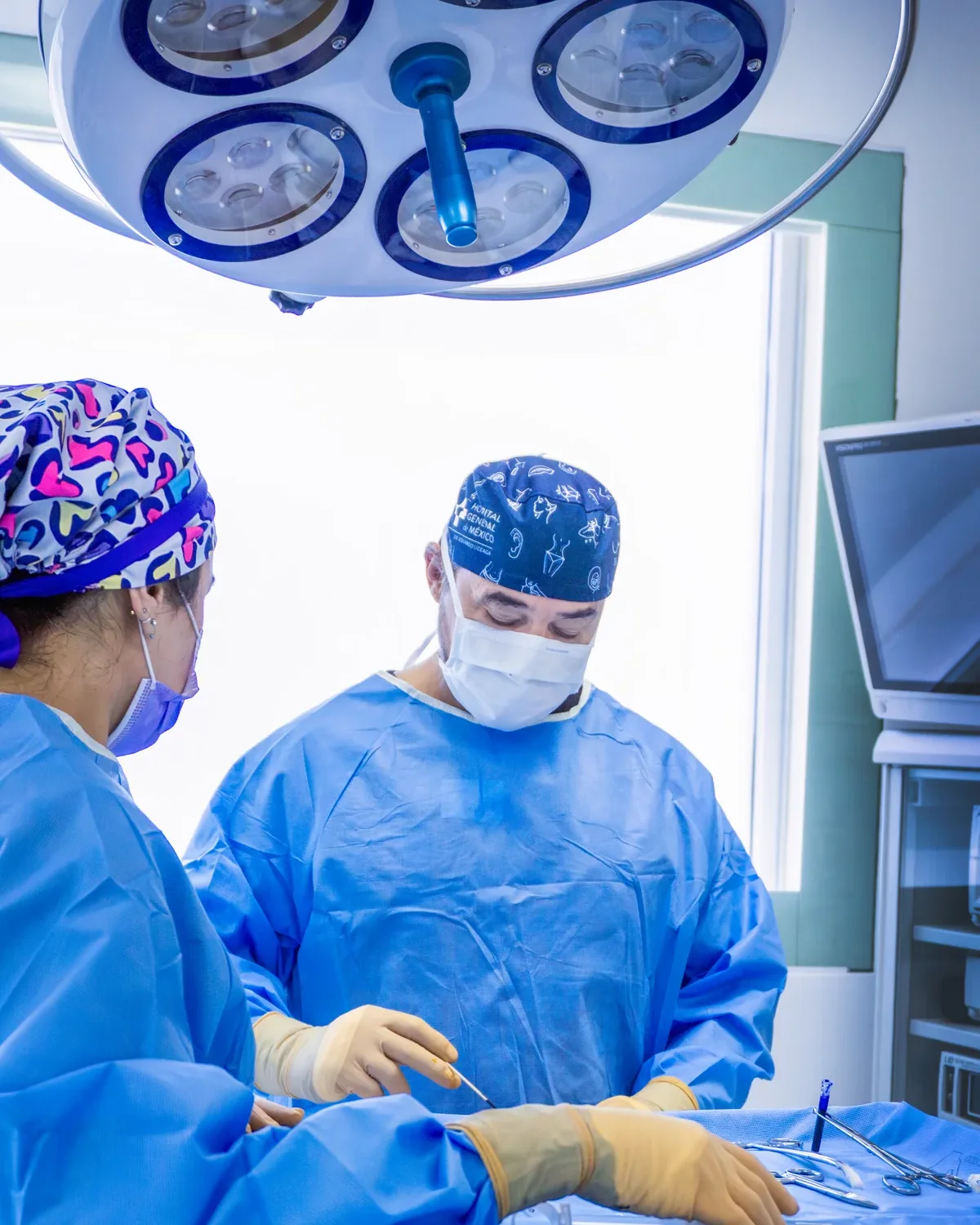
Dr. Alejandro Quiroz operating at VIDA Wellness & Beauty in Tijuana

The surgeon

Dr. Alejandro Quiroz

Board certified in plastic and reconstructive surgery since 1984 (CMCPER No. 293), an active California physician and surgeon license held since 1986, and fellowship training under Bruce F. Connell. 37 years, more than 3,000 facelifts. The surgeon you consult is the surgeon who operates.

The full record, with registries
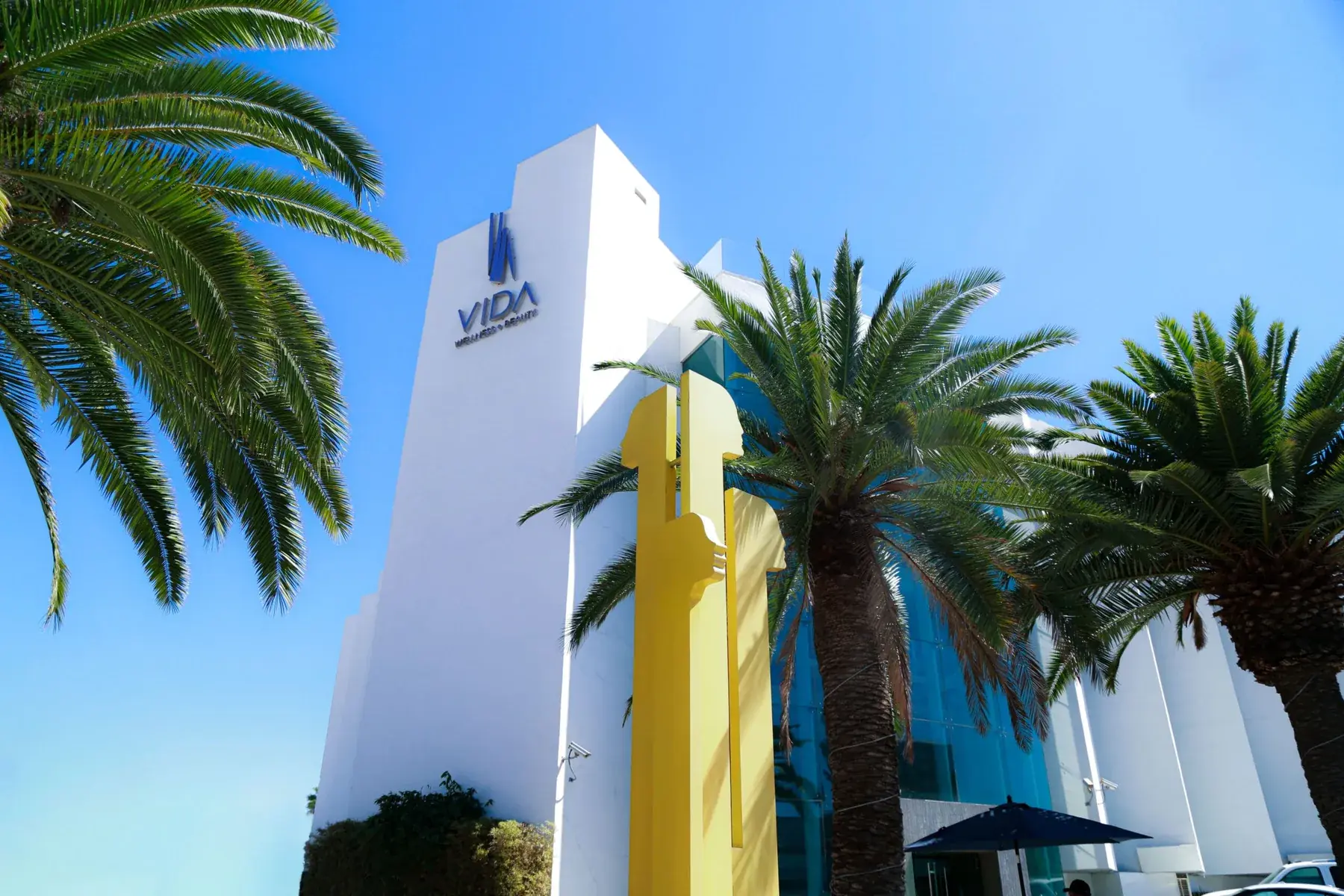
VIDA Wellness & Beauty in Zona Rio, Tijuana

The facility

VIDA Wellness & Beauty

The first Quad A (formerly AAAASF) accredited surgical facility in Mexico, licensed by COFEPRIS, 15 minutes from the San Diego border. Dra. Nadiezhda Garcia Bonilla, a board-certified anesthesiologist, is present for every case, and recovery happens in the on-site Recovery Boutique with nursing around the clock.

The facility and anesthesia

Healing has a shape. Now you know it.

The patients who recover calmest are the ones who knew the curve before they lived it. If you want the same honesty about what your own face would need, that is what the consultation is for.

Request a Consultation