Dr. Alejandro Quiroz · Facial Plastic Surgery

A facelift in Tijuana.

A deep plane facelift, performed by the surgeon you consulted with, at the first Quad A accredited facility in Mexico, 15 minutes from the border. You already know the price is better here. The question keeping you up is a different one, and this page was built to answer it honestly: the fears, the news stories, and the checklist that separates the Tijuana in the headlines from the one in the operating room.

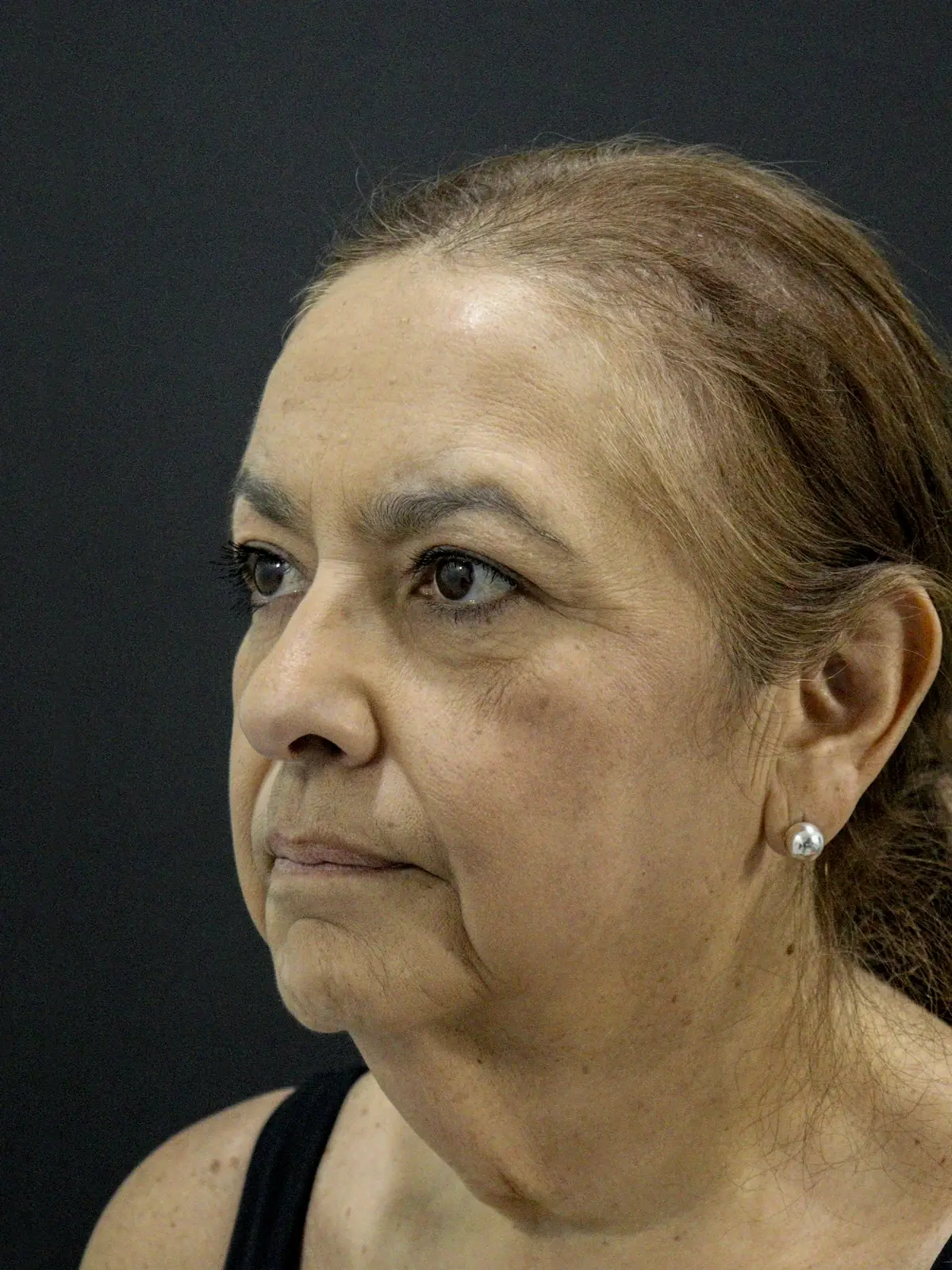
Before a deep plane facelift by Dr. Quiroz in Tijuana: jowls and a softened jawline.
Before
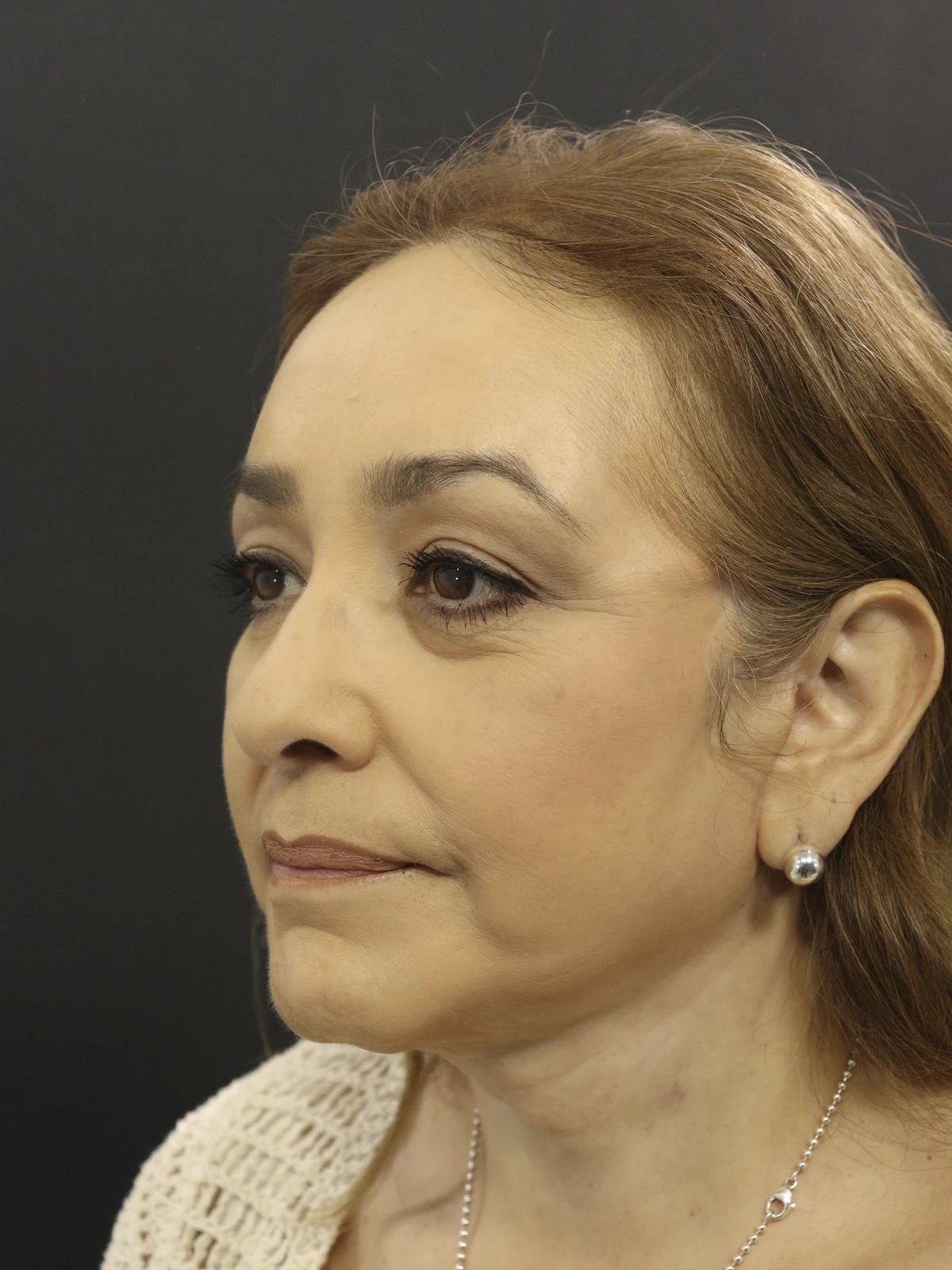
After a deep plane facelift by Dr. Quiroz in Tijuana: a rested version of the same face. Individual results vary.
After

Real patient, photographed with consent. Individual results vary.

37 years in practice
3,000+ facelifts performed
1st Quad A accredited facility in Mexico
2 countries where his license is public record

The question

Is it safe to get a facelift in Tijuana?

Asked plainly, because you are not really researching a procedure. You are deciding whether to trust a surgeon in another country with your face. The honest answer is that Tijuana, like the United States, has both accredited surgeons and unaccredited ones, and the only question that predicts your outcome is which kind you verified. Geography is not the unit of safety. The clinic is.

The safety question, in depth

Some scale, before the fear does the math for you:

Americans traveling to Mexico for care, each year 1.2 million The most defensible industry estimate. The CDC itself puts it in the millions of US residents traveling internationally for medical care each year. 1 10
Crossings at San Ysidro, every day 70,000+ The busiest land border crossing in the Western Hemisphere, with dedicated medical lanes for patients of registered doctors. 10
Medical visitors to Baja California, yearly 500,000+ By the state’s conservative count. Industry bodies put the figure far higher.

Scale does not make any individual clinic safe, and this page will not pretend it does. What it establishes is that the question is not whether Americans should come. They already come, by the hundreds of thousands, mostly without incident. The question is how the careful ones choose, and that is what the rest of this page is for.

The stories

You have read the headlines. Read them closely.

Most clinics pretend the bad news does not exist. That is a mistake, because you have already read it, and pretending otherwise costs the one thing this page runs on. So here are the stories, what actually failed in each one, and what each failure teaches you to verify.

Matamoros, 2023

12 of 24

Americans died of fungal meningitis after crossing for cosmetic surgery

The CDC issued a national alert and traced around 200 exposed patients across 25 states.

What actually failedEvery case shared the same anesthesiologist, across 2 clinics. The CDC’s leading hypothesis: contaminated medication in the epidural anesthesia, and the infection control around it. Matamoros sits in Tamaulipas, a state under the State Department’s strictest travel advisory, on the opposite end of the border from Tijuana.

What it teaches you to checkAsk who is giving your anesthesia, by name and credential, before you ask anything else. Here it is a board-certified anesthesiologist, present for the whole case, in a facility whose accreditation audits exactly this. 2
Tijuana, 2021

Zero

plastic surgery certifications held by the man operating

A 38-year-old mother of two from Long Beach died on the table during liposuction and a tummy tuck. Two more patients of the same operator were hospitalized after crossing back.

What actually failedThe man operating was a general practitioner with no certification in plastic surgery. He settled the criminal case and kept practicing.

What it teaches you to checkVerify the specialty, not the title on the door: the federal cédula registry and the CMCPER board directory are public, and a certified surgeon will hand you the numbers before you ask. 5

Tijuana, 2022

78

clinics closed by regulators in a single year

Three patients died after cosmetic operations in a single month, at three different sites.

What actually failedOne facility had been operating without a license. In another case, reporters found the “surgeon” was reportedly a veterinarian. The plastic surgeons’ own college estimates hundreds of impostors practicing in the city.

What it teaches you to checkVerify the facility as hard as the surgeon. Accreditation you can look up, a license you can name, an operating room that answers to an auditor. 5

Tijuana, 2019

9

US states reached by a drug-resistant bacteria from one hospital

The CDC told Americans not to have surgery at one named Tijuana hospital after weight-loss surgery patients carried the infection home.

What actually failedAn infection-control failure at a single facility. The CDC advised its surgical patients to be tested for hepatitis B, hepatitis C, and HIV.

What it teaches you to checkSterilization is invisible from the lobby. It is why facility accreditation exists: Quad A audits sterilization, medication handling, and anesthesia protocols on a schedule, not on trust. 3

None of this argues that Mexico is safe or unsafe. It argues one sentence, and the rest of this page acts on it:

The unit of safety is the clinic, the surgeon, and the anesthesiologist. Verified one at a time.

The checklist

The CDC’s own checklist, applied to this practice.

The CDC publishes guidance for Americans considering medical care abroad. Most clinics hope you never read it. Here it is instead, line by line, with how this practice answers each line, so you can hold every claim against a public record. 1

01
The checklist says

See a healthcare provider at home, four to six weeks before you travel.

Here, verifiably

The process here starts weeks out by design: a photo review, a call with the surgeon himself, by phone or video, and a health assessment. Your own doctor is welcome in the loop, and the pre-operative labs and EKG are itemized in every quote.

02
The checklist says

Check the qualifications of the clinician who will perform the procedure.

Here, verifiably

Board certified in plastic and reconstructive surgery since 1984, CMCPER No. 293, recertified through 2030. Both federal cédulas sit in Mexico’s public registry: 550795 for the medical degree and 3175867 for the plastic surgery specialty. He has held a California physician and surgeon license, A 42463, since 1986. Every number is linked to the registry that proves it.

See the record, with the registries Cedula registry CMCPER directory California board
03
The checklist says

Check the accreditation of the facility where you will have surgery.

Here, verifiably

VIDA Wellness & Beauty is the first Quad A, formerly AAAASF, accredited surgical facility in Mexico. Quad A audits sterilization, medication handling, anesthesia protocols, and emergency readiness, and requires operating surgeons to hold hospital privileges in their specialty.

The facility and anesthesia
04
The checklist says

Arrange your follow-up care before you travel, not after.

Here, verifiably

Follow-up is fixed before surgery is scheduled: the first nights beside nursing, drains commonly out at 48 to 72 hours, sutures around day 7, then remote follow-up with the surgeon who operated, plus a 24/7 line with the warning signs taught before you leave.

05
The checklist says

Understand that your insurance likely excludes elective surgery abroad, and cover the gap.

Here, verifiably

Named honestly: standard US health and travel policies commonly exclude complications of elective surgery abroad. Dedicated medical-travel complication coverage exists as a real product, and the consultation will point you to it rather than pretend the gap is not there.

06
The checklist says

Obtain your complete medical records before returning home.

Here, verifiably

You leave with your records: the operative report, the anesthesia record, and written instructions. A doctor at home never has to guess what was done, or by whom.

07
The checklist says

Do not fly too soon after surgery.

Here, verifiably

The published guidance is 7 to 10 days after facial surgery, and the calendar here is built around it: sutures out around day 7, short flights commonly cleared at 10 days to 2 weeks, and most Southern California patients cross home by land anyway.

7 of 7 answered against a public record.

Take this list to any consultation, in any country, including this one. A practice that hesitates on any line is telling you something.

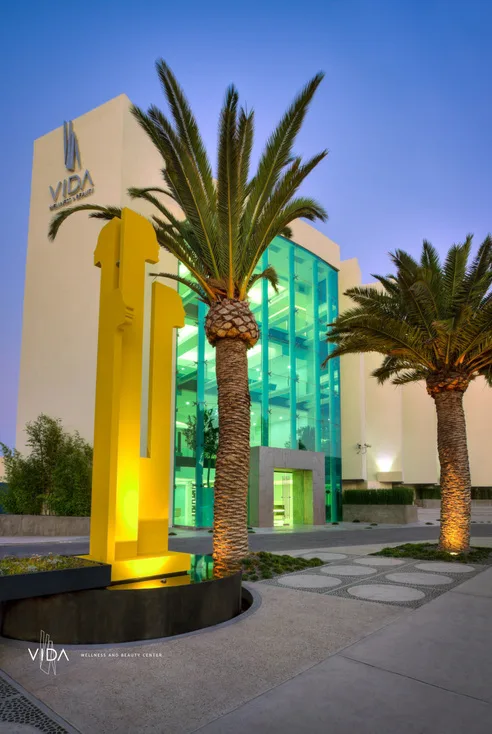
The glass atrium of VIDA Wellness & Beauty in Tijuana, lit in the evening.

VIDA Wellness & Beauty, Zona Rio, Tijuana. The checklist's third line, in person: the first Quad A accredited surgical facility in Mexico, purpose-built. The moving footage is the Recovery Boutique itself, the suites where your first nights happen, upstairs from the operating rooms.

Walk through the facility

The surgeon

Choosing a surgeon in Tijuana: the person you consult is the person who operates.

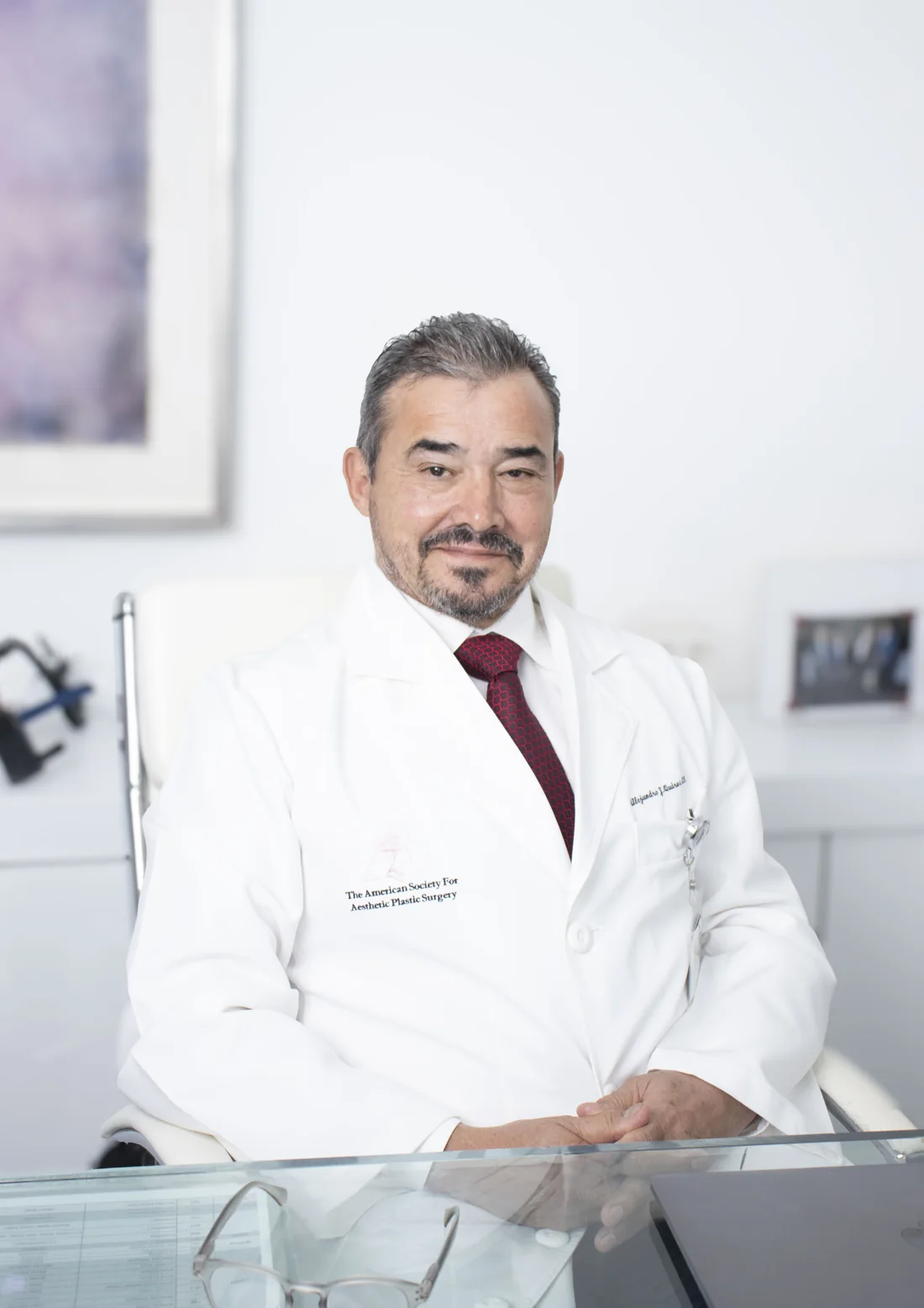
The case is not handed to a junior colleague. Dr. Quiroz plans your face, performs your surgery, and reviews your recovery himself, the way he has for 37 years and more than 3,000 facelifts. He is board certified in plastic and reconstructive surgery since 1984, holds an active California physician and surgeon license since 1986, and trained in fellowship under Bruce F. Connell in California, the surgeon generations of facelift specialists learned from.

The full record, with the registries to verify it
Dr. Alejandro Quiroz, facial plastic surgeon in Tijuana, Mexico.
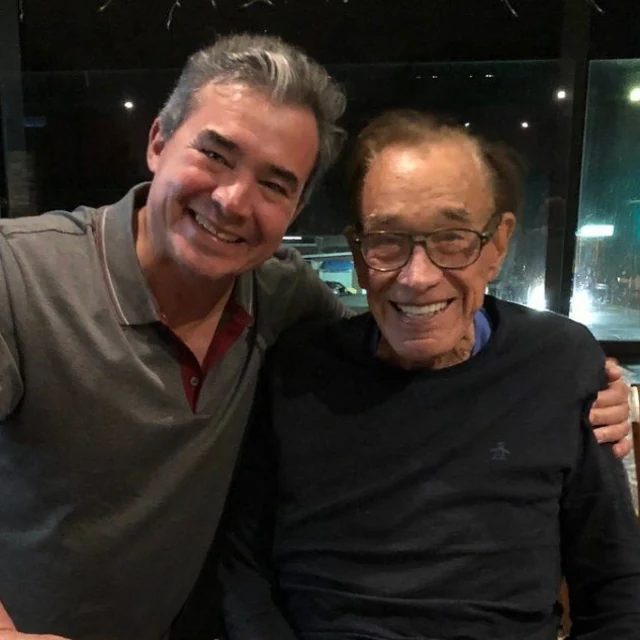
Dr. Quiroz with his mentor Bruce F. Connell.
With Bruce F. Connell, his fellowship mentor.

Results

The work, on record.

Real patients, photographed with consent, shown with the time since surgery. The standard across all of them: a rested version of the same face, never a different one.

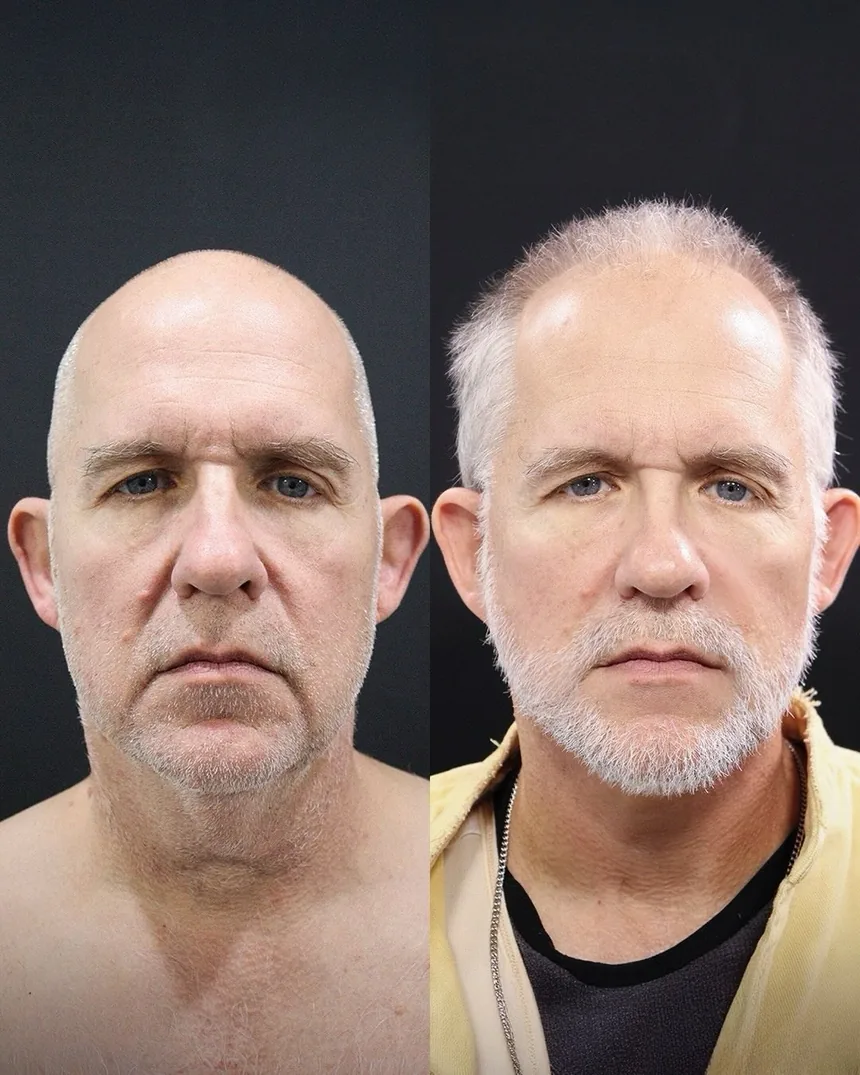
Before and after a lower face and neck lift by Dr. Quiroz in Tijuana. Individual results vary. BeforeAfter
Lower Face and Neck Lift · shown at 10 months
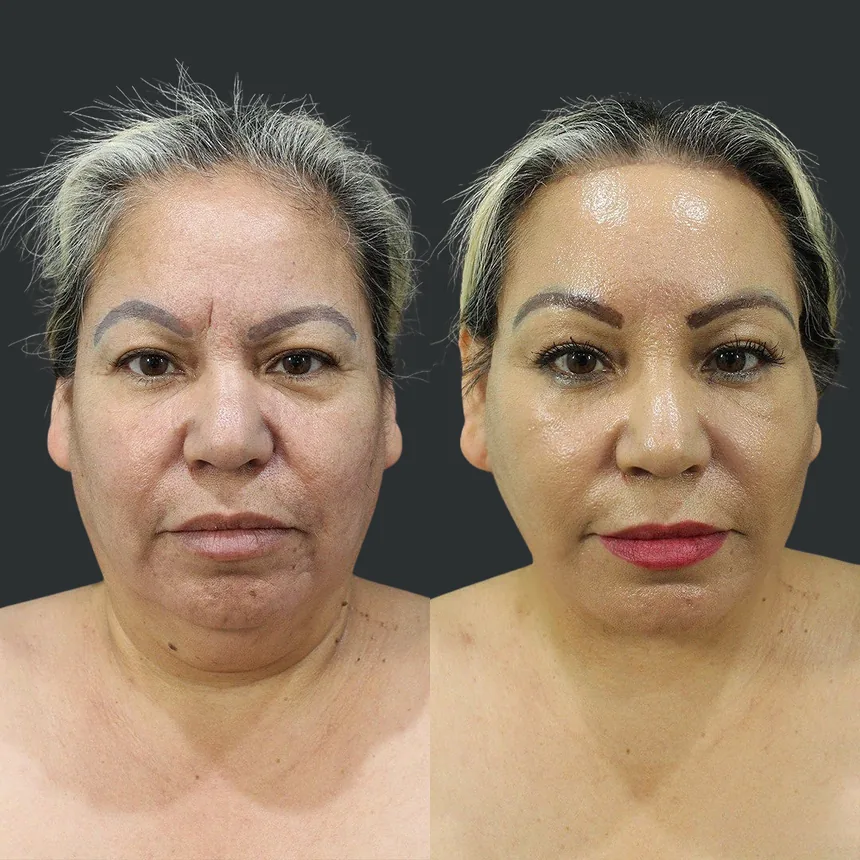
Before and after a face and neck lift + brow lift by Dr. Quiroz in Tijuana. Individual results vary. BeforeAfter
Face and Neck Lift + Brow Lift · shown at 2 months, swelling still resolving
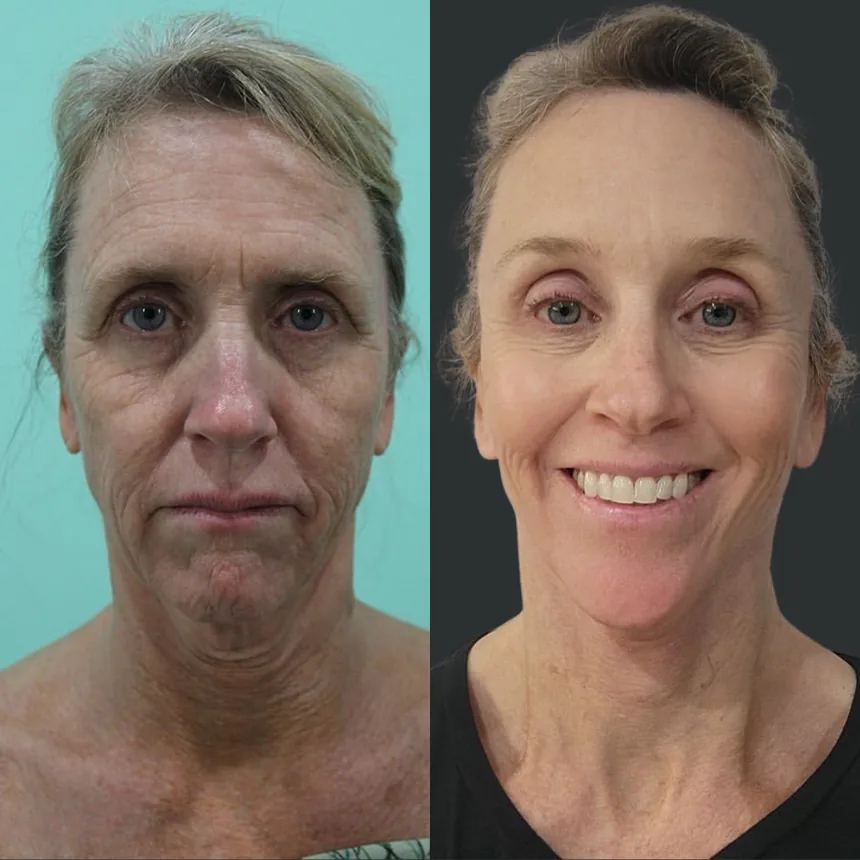
Before and after a face and neck lift + brow lift by Dr. Quiroz in Tijuana. Individual results vary. BeforeAfter
Face and Neck Lift + Brow Lift · shown at 9 months

The package

What a Tijuana facelift package includes here, and what it costs.

A Tijuana facelift package with Dr. Quiroz means one all-in, itemized figure: the operation, the accredited operating room, anesthesia by a board-certified anesthesiologist, the pre-operative workup, a hospitalization night, medication, and border transportation, quoted in writing after a photo review. If a package you are comparing will not name its lines, that is your answer about the price.

  • The operation, performed by Dr. Quiroz himself
  • The accredited operating room and its staff
  • Anesthesia, planned and monitored by a board-certified anesthesiologist
  • The pre-operative workup: labs and EKG with evaluation
  • Hospitalization night with nursing on hand
  • Post-operative medication
  • Round-trip border transportation, coordinated from San Diego
  • Follow-up that continues remotely after you fly home
The deep plane technique, in depth
Deep plane face and neck lift, all in $11 to $13k The signature operation: face and neck corrected as one structure, itemized line by line in an accepted quote.
The smaller operations, neck to eyelids From $2,100 Neck lift, brow lift, and eyelid figures, all in and itemized the same way, live on the cost page in one table.

Compare the right numbers: American averages you see quoted are the surgeon’s fee alone, before anesthesia and the operating room. The figures here are the whole operation. What is lower in Tijuana is the cost of running an accredited operating room, not what happens inside it.

The full cost breakdown

The trip

From San Diego to surgery and back, coordinated.

One bilingual point of contact stays with you from the first message to the last follow-up, on channels we control: phone, text, iMessage, email. No third-party messaging apps, ever.

What you actually need

A valid passport, and time. Ground transportation, the crossing, recovery lodging with medical access, and a companion’s accommodation are coordinated for you, from San Diego.

The logistics, step by step
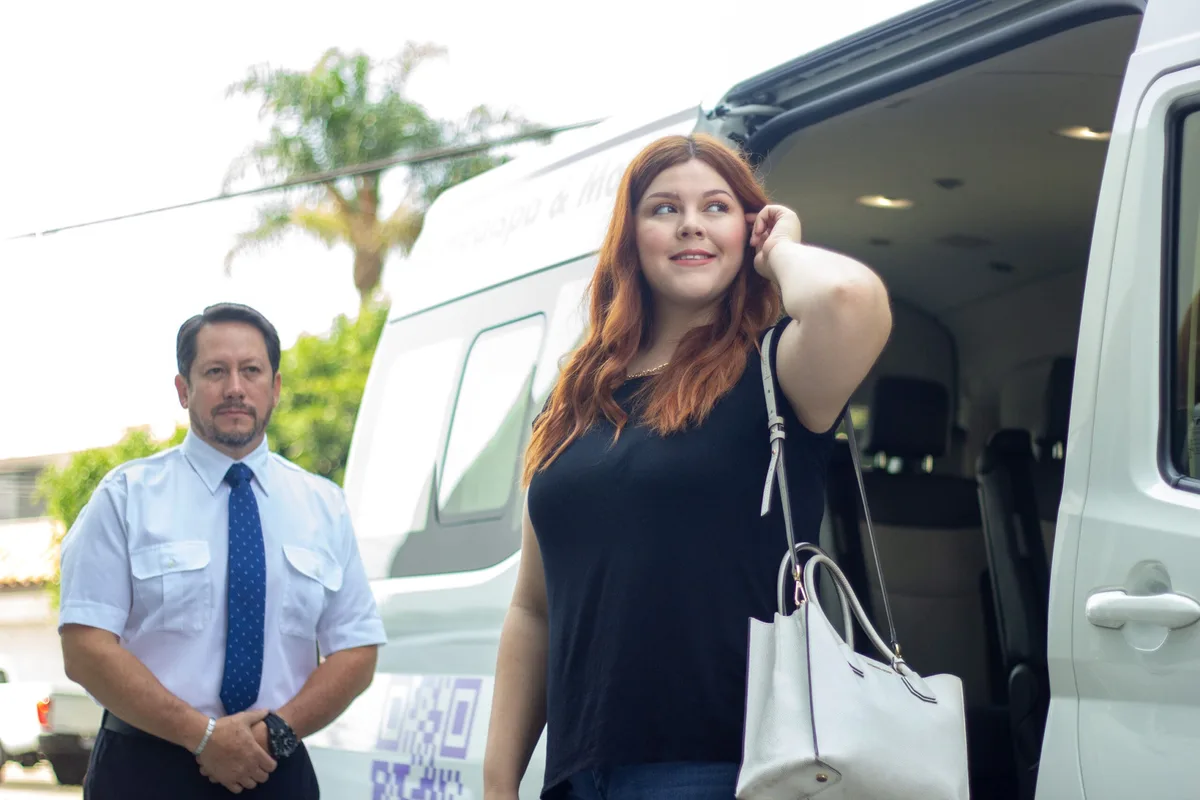
A patient stepping out of the practice's shuttle van with the driver standing by.
The shuttle, at a patient pickup. Door to door, both directions.
  1. Before you travel

    A photo review and a phone or video consultation with Dr. Quiroz himself, an itemized quote, and a health assessment. Nothing is scheduled until both sides are sure.

  2. The crossing

    Ground transportation is coordinated from San Diego, across the border and to the clinic. You need a valid passport, and a companion is accommodated throughout.

  3. Surgery day

    The examination confirmed in person, then surgery at VIDA Wellness & Beauty, the first Quad A accredited facility in Mexico, with a board-certified anesthesiologist present for the whole case.

  4. The first nights

    To the on-site Recovery Boutique with nursing around the clock, exactly where the first hours matter most. Drains commonly out at 48 to 72 hours.

  5. Home, still cared for

    Sutures out around day 7. Most patients from Southern California cross back by land; short flights are commonly cleared at 10 days to 2 weeks. Follow-up continues remotely with the surgeon who operated, through the months that matter.

Common questions

Common questions about a facelift in Tijuana.

How much does a facelift cost in Tijuana?

With Dr. Quiroz, a deep plane face and neck lift commonly comes in between $11,000 and $13,000, all in: the operation, the accredited operating room, anesthesia by a board-certified anesthesiologist, the pre-operative workup, hospital nights before and after surgery, medication, and border transportation, itemized line by line. You will see lower numbers advertised in Tijuana, and the difference is usually what the number leaves out or who is holding the instruments. The full breakdown, including the smaller operations, is on the cost page.

Is it safe to get a facelift in Tijuana?

Safety in Tijuana is a matter of verification, not geography. Mexico, like the United States, has both accredited surgeons and unaccredited ones, and the widely reported disasters in Mexican medical tourism have followed unaccredited clinics and unverified providers. Dr. Quiroz operates at VIDA Wellness & Beauty, the first Quad A (formerly AAAASF) accredited facility in Mexico, with a board-certified anesthesiologist present for every case, and every credential he claims is a public record you can check from this site. The safety page walks the whole question in depth.

Who is the best facelift surgeon in Tijuana?

“Best” is a claim; verification is a fact. What can be verified about Dr. Quiroz: board certified in plastic and reconstructive surgery since 1984 (CMCPER No. 293, recertified through 2030), an active California physician and surgeon license held since 1986, fellowship training under Bruce F. Connell in California, more than 3,000 facelifts across 37 years, and membership in The Aesthetic Society for more than 25 years. Whoever you consider in Tijuana, apply the same checklist this page gives you, and choose the surgeon who passes it.

What is included in a Tijuana facelift package?

With Dr. Quiroz an accepted quote itemizes everything: the operation performed by him, the accredited operating room, anesthesia by a board-certified anesthesiologist, pre-operative labs and EKG, a hospital nights before and after surgery with nursing, post-operative medication, and round-trip border transportation coordinated from San Diego. Continued recovery at the on-site Recovery Boutique is arranged separately, at $190 a night or $290 with a companion, and follow-up continues remotely after you fly home. If a package you are comparing does not name each of these, ask what the number leaves out.

How long do I need to stay in Tijuana after a facelift?

Plan on about 7 days. The night of surgery is 1 hospitalization night on site, then recovery continues at the Recovery Boutique through days 1 to 6, with nursing around the clock because the rare serious complication declares itself early. Drains commonly come out at 48 to 72 hours, and sutures around day 7, timed with a return visit, after which you cross home by land into San Diego. Flying home is a separate calendar: the ASPS advises waiting 7 to 10 days after facial surgery before flying, so short flights commonly fall at 10 days to 2 weeks and long-haul later. Southern California patients simply drive.

What do I need to cross the border for surgery in Tijuana?

A valid passport, and little else on your side: ground transportation is coordinated from San Diego, through the border and back, timed to your surgery and follow-up. A companion can come with you throughout, and the recovery lodging accommodates them.

What kind of facelift does Dr. Quiroz perform?

The deep plane facelift, which releases the facial structure beneath the muscle and repositions it as one unit rather than tightening skin at the surface. It is the technique he learned in fellowship under Bruce F. Connell and has refined across more than 3,000 facelifts. The neck is corrected in the same operation in nearly every case, because the face and neck descend together. The technique has its own page, in depth.

Do I get the surgeon I consult with?

Yes. The surgeon you meet in consultation is the surgeon holding the instruments. The case is not handed to a junior colleague, and the follow-up after surgery is reviewed by the same person who operated.

How long does a facelift from Dr. Quiroz last?

Because structure is repositioned rather than skin stretched, deep plane results are commonly described as holding 10 to 12 years, against 5 to 10 for a surface lift. Published long-term data are honest: most patients still look younger than before surgery at 5.5 years, and the face keeps aging. Individual results vary.

Will I have visible scars?

Incisions follow the contours around the ear, into the hairline, and, when the neck needs direct work, the natural crease under the chin. Because the deep plane closes without skin tension, they commonly heal as fine lines that are difficult to find once settled. Healing varies from person to person.

What if something goes wrong after I fly home?

Two answers, honestly separated. For an emergency, any US hospital emergency room must screen and stabilize you under federal law (EMTALA), no matter where the surgery happened. For everything short of an emergency, continuity is the real risk of surgery abroad: in published series only about a quarter of medical-travel patients ever see their operating surgeon again. That number is why follow-up here is structured rather than assumed. You fly home with your operative report and records, the surgeon who operated reviews your recovery remotely, and a 24/7 line with the warning signs is taught before you leave.

Can I sue if something goes wrong in Mexico?

Realistic legal recourse is limited, and you should distrust any page that tells you otherwise. Suing a foreign surgeon in a US court usually fails on jurisdiction, and in Mexico malpractice claims run mostly through a national arbitration commission rather than jury awards. That is precisely why verification beats litigation: you are choosing certainty before surgery instead of remedies after. It is also why Dr. Quiroz’s active California license matters beyond marketing. It places him under a US state medical board’s authority, an accountability that a Mexico-only practice does not carry.

Is Tijuana itself safe to visit for surgery?

The Tijuana in the headlines and the Tijuana of the medical district are different places. The State Department rates Baja California at Level 3, noting that violence is overwhelmingly targeted and concentrated in non-tourist areas, and the widely remembered 2023 kidnapping happened in Matamoros, Tamaulipas, a Level 4 state at the opposite end of the border. The medical district, Zona Rio, is among the most policed parts of the city, and patients travel with coordinated transportation door to door, through crossing lanes that exist specifically for medical patients. Sensible caution, not fear, is the right setting.

How do I verify a plastic surgeon in Tijuana?

Three public lookups, all free: search Mexico’s federal cedula registry for two licenses, the medical degree and the plastic surgery specialty; confirm current board certification in the CMCPER directory; and if the surgeon claims a US license, check that state medical board’s lookup. Dr. Quiroz’s numbers for all three are printed on this page and on his profile, which is exactly how it should be anywhere you ask.

Does US health insurance cover a facelift in Mexico?

No. A facelift is cosmetic surgery, not covered by US health insurance in either country, and standard travel policies commonly exclude complications of elective surgery abroad as well. Dedicated medical-travel complication coverage exists as a real product, and it comes up in consultation here rather than being left for you to discover later.

Does a cheaper Tijuana price mean a lower standard?

Because running an accredited operating room costs less in Mexico: staff, real estate, insurance, and administration, not the standard inside the room. What should never be cheaper is the verification: the board certification, the facility accreditation, the anesthesiologist. When a Tijuana price is a fraction of everyone else’s, the discount usually lives in one of those three, and that is the discount not to take.

Sources

  1. S1CDC, Medical Tourism guidance for travelers, and CDC Yellow Book, Health Care Abroad. Including guidance on clinician qualifications, facility accreditation, follow-up, records, insurance, and delaying air travel after surgery. source
  2. S2CDC Health Alert Network HAN-00491 and HAN-00492, fungal meningitis outbreak among US patients after procedures in Matamoros, Mexico, 2023; and the outbreak report in Clinical Infectious Diseases, 2024. 24 cases, 12 deaths.
  3. S3CDC travel notice, January 2019, and WHO Disease Outbreak News, March 5, 2019: carbapenem-resistant Pseudomonas aeruginosa infections in US patients after surgery at a Tijuana hospital.
  4. S4US Department of State, Mexico Travel Advisory: state-level advisory tiers and the health section on elective surgery in Mexico. source
  5. S5NBC 7 San Diego investigative reporting, 2022 and 2023: three cosmetic surgery deaths in Tijuana in one month; The Cost of Beauty; regulatory inspection and closure figures.
  6. S6American Society of Plastic Surgeons, briefing paper on cosmetic surgery tourism; and ASPS position statement on EMTALA.
  7. S7Report on Current Experience of ASAPS Membership and Management of Cosmetic Tourism Complications. Aesthetic Surgery Journal Open Forum, 2019. PMC7671244; and Medical Tourism in Plastic Surgery: A Case Series. PMC10929066, including the follow-up figure near 26 percent.
  8. S8ISAPS patient safety guidance on traveling abroad for aesthetic surgery.
  9. S9Quad A (formerly AAAASF) accreditation standards for ambulatory surgical facilities: anesthesia classes, physician presence, sterilization, and surgeon privilege requirements.
  10. S10Patients Beyond Borders estimates of US medical travel to Mexico; US GSA and Bureau of Transportation data on the San Ysidro Port of Entry.
  11. S11CONAMED, Mexico’s national medical arbitration commission (see Malpractice in Mexico: arbitration not litigation, PMC1188117); and analyses of cross-border malpractice jurisdiction, AMA Journal of Ethics, 2018.
  12. S12CMS and ACEP, the Emergency Medical Treatment and Labor Act (EMTALA): emergency screening and stabilization obligations of US hospitals.
  13. S13Public verification registries: Registro Nacional de Profesionistas (cedulaprofesional.sep.gob.mx), CMCPER certified surgeon directory, and the Medical Board of California license lookup. source

Written and medically reviewed by Dr. Alejandro Quiroz, board certified in plastic and reconstructive surgery, CMCPER No. 293. Last reviewed July 2026.

Verify the surgeon. The geography takes care of itself.

If this page did its job, you are not less careful than when you arrived. You are more careful, with a checklist in hand and every claim on this site pointing at a public record. The next step is not a booking. It is a conversation with the surgeon who would operate.

Request a Consultation