Dr. Alejandro Quiroz · Facial Plastic Surgery

Facelift before and after: the results, on record.

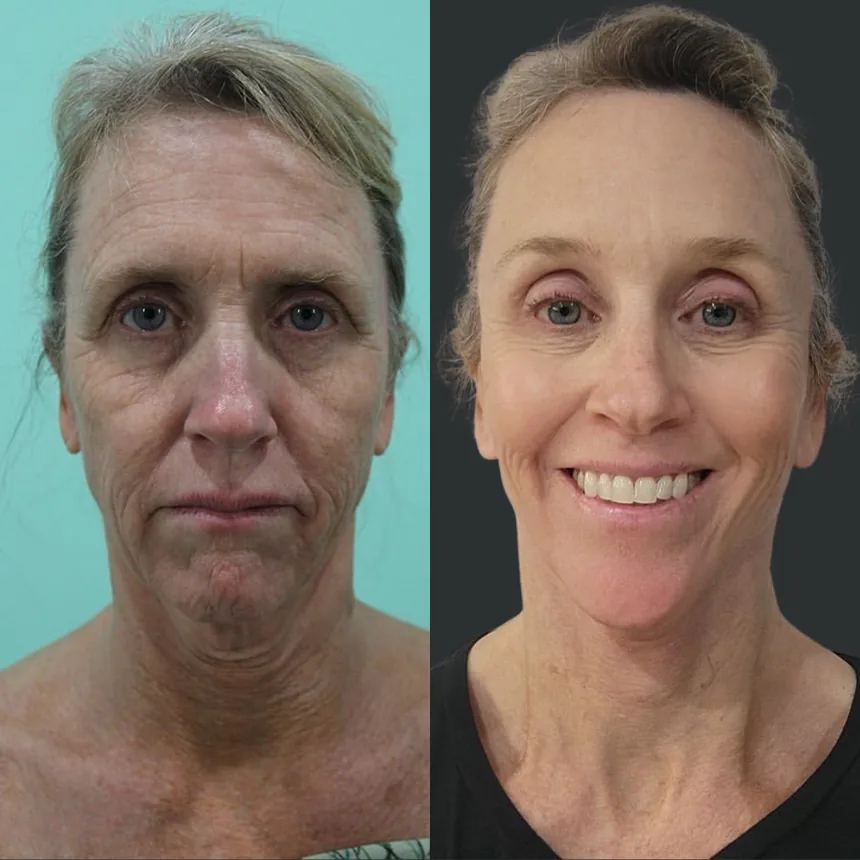
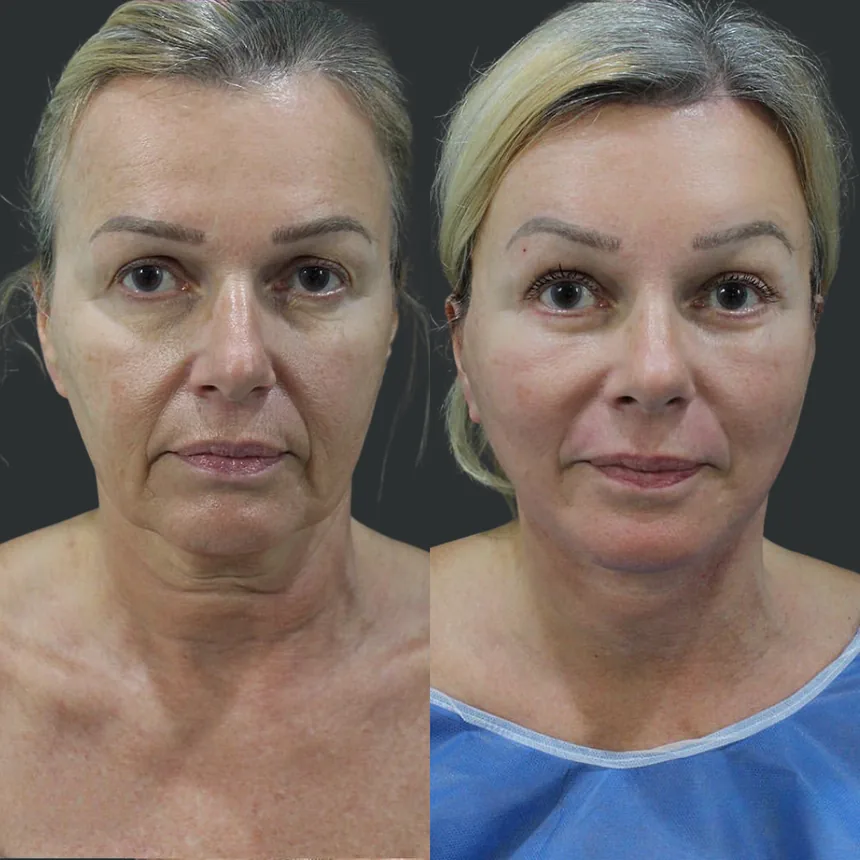
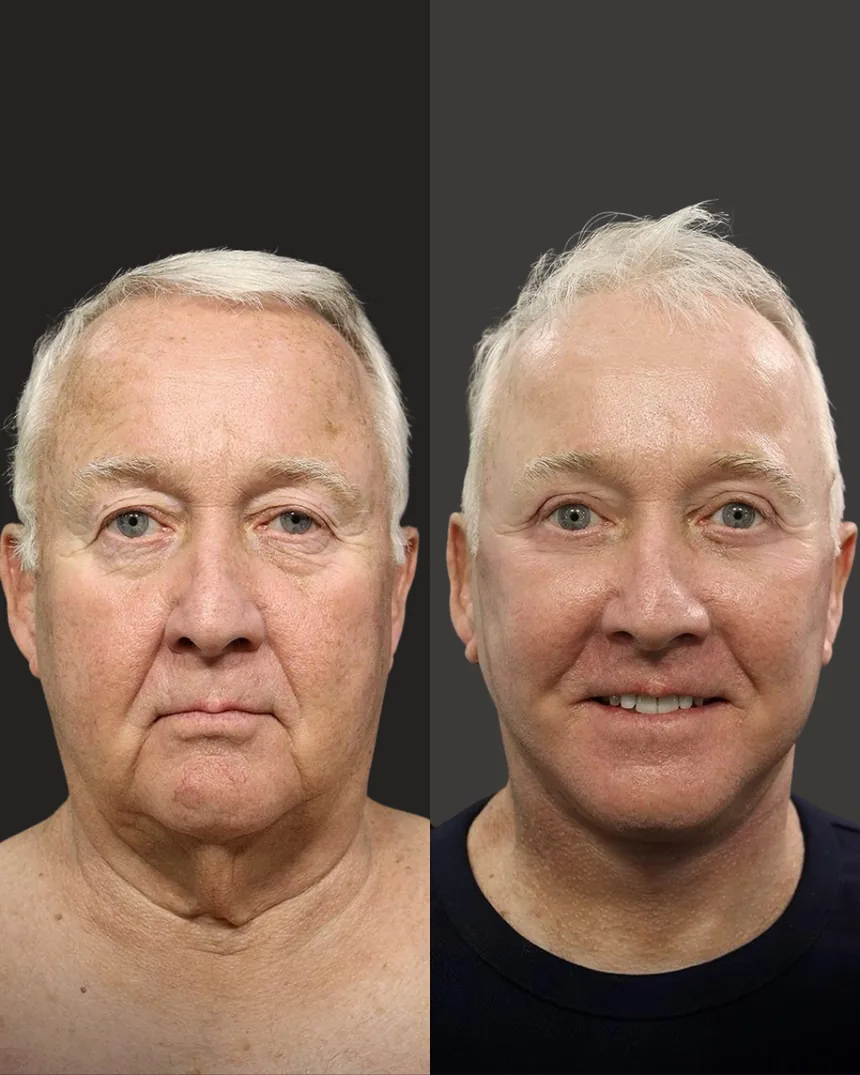
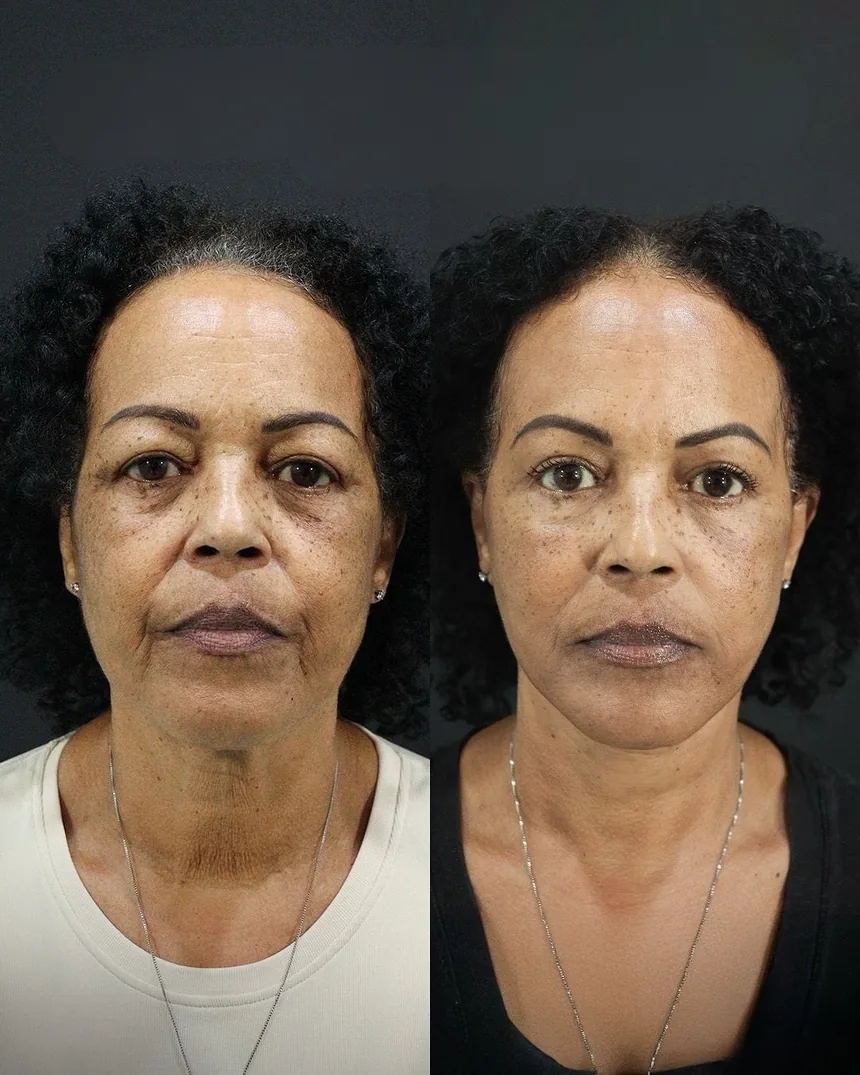
Every case below is a patient of Dr. Quiroz, photographed with consent, most with the time since surgery printed beside it, some deliberately early. Before you scroll, this page teaches you how to read a before and after honestly, anywhere, including here. Then it answers the question every gallery raises and few pages do: how long the result actually lasts.

From the archive

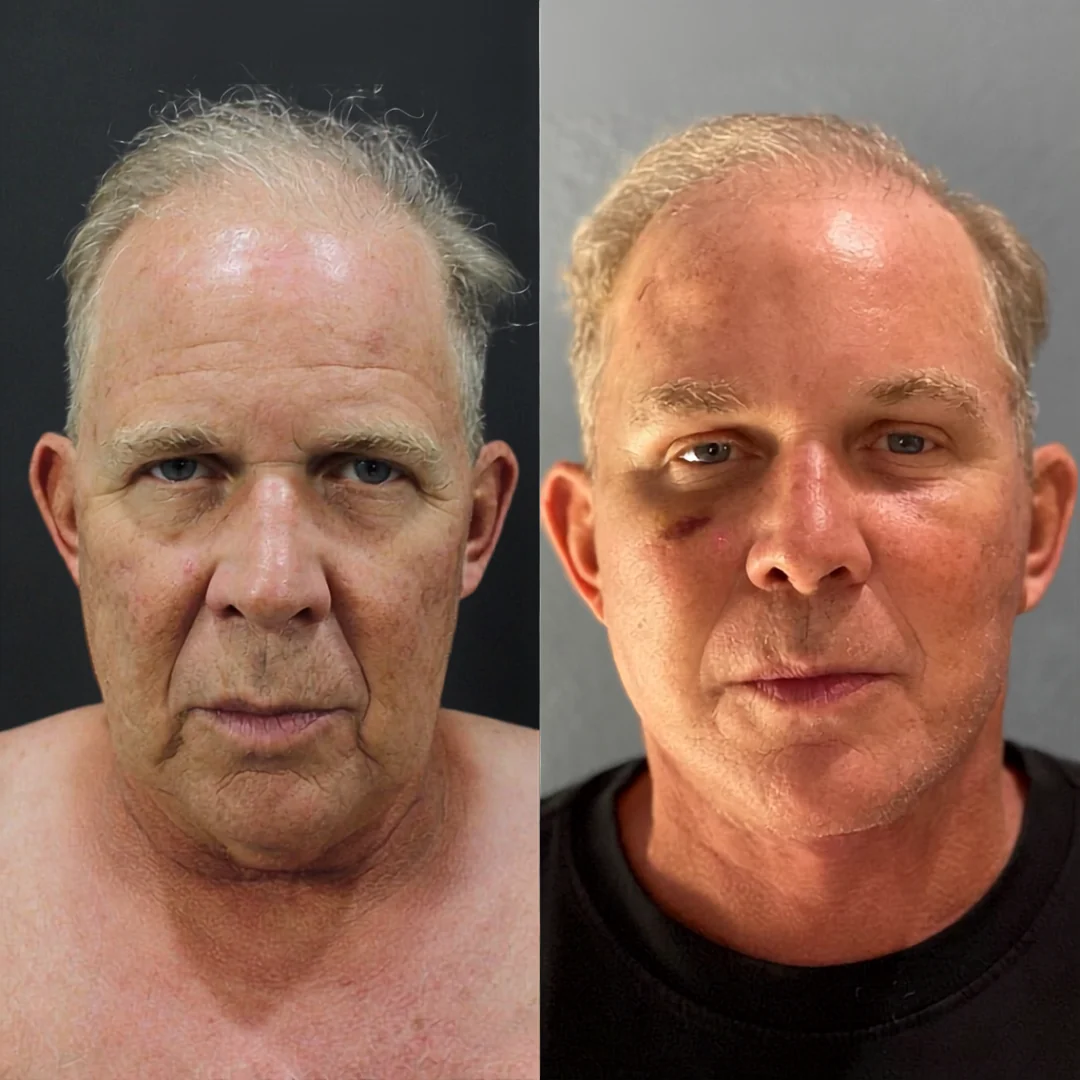
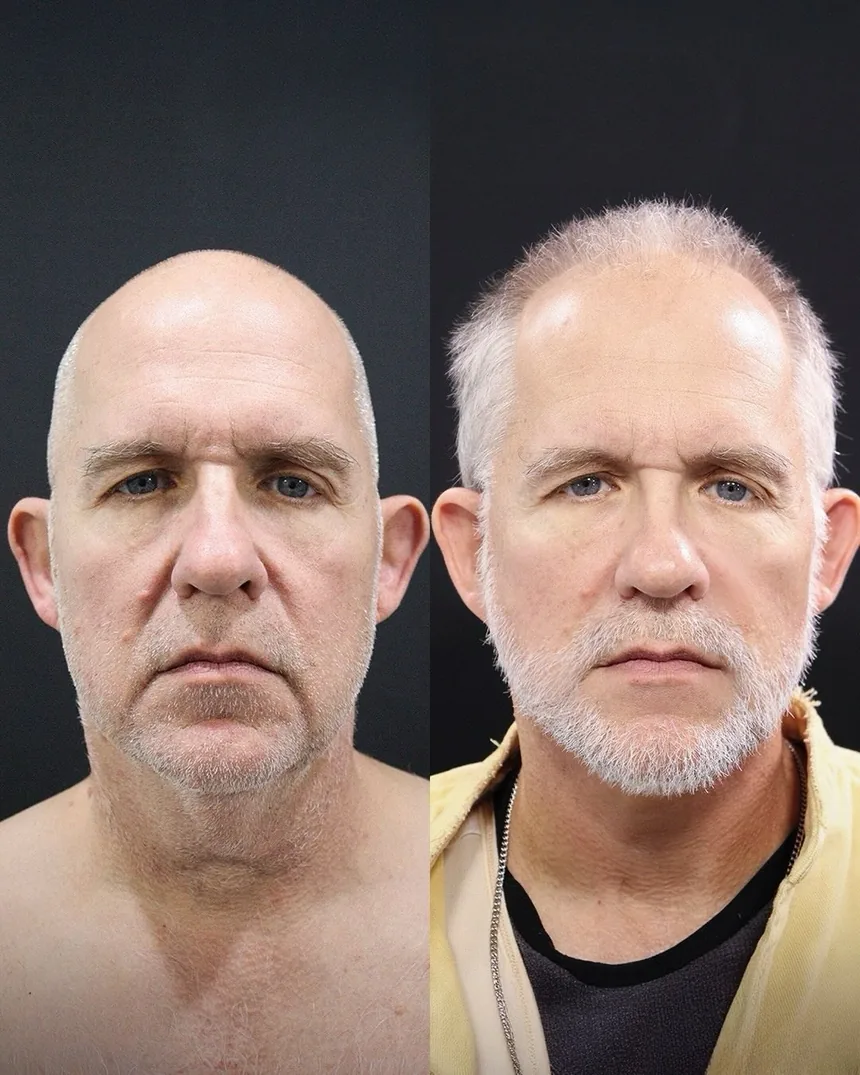
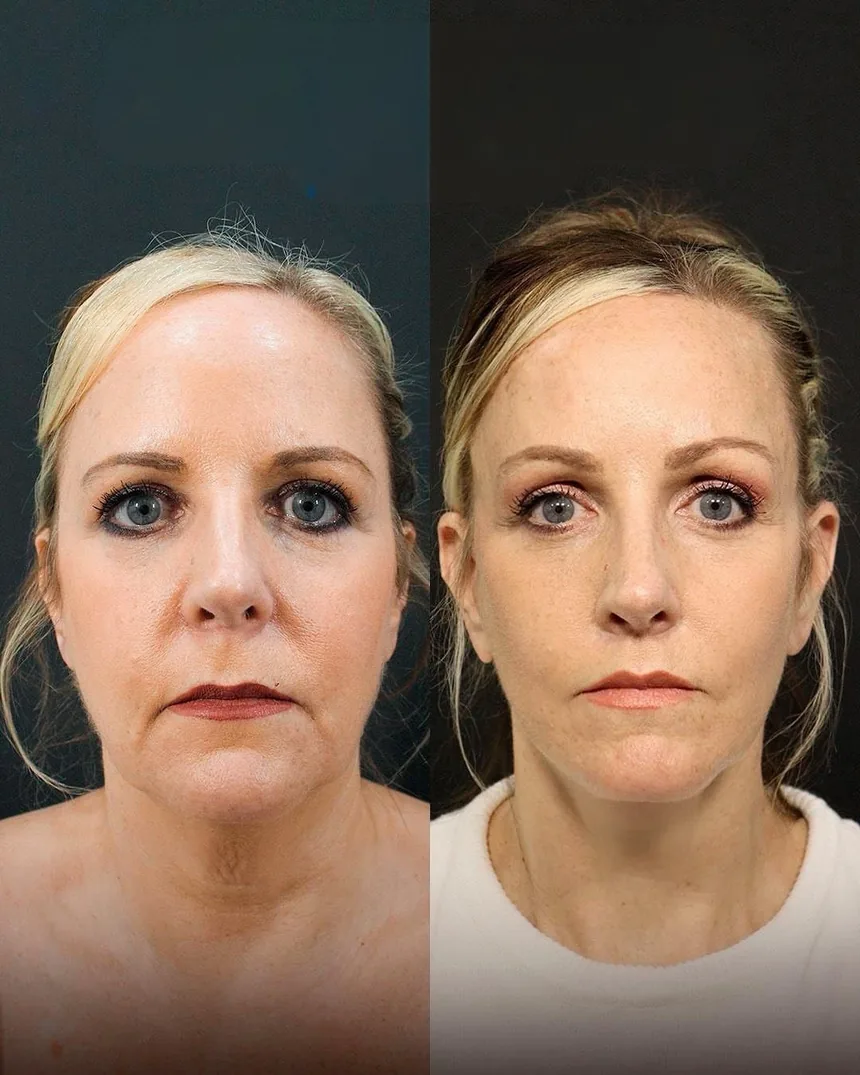
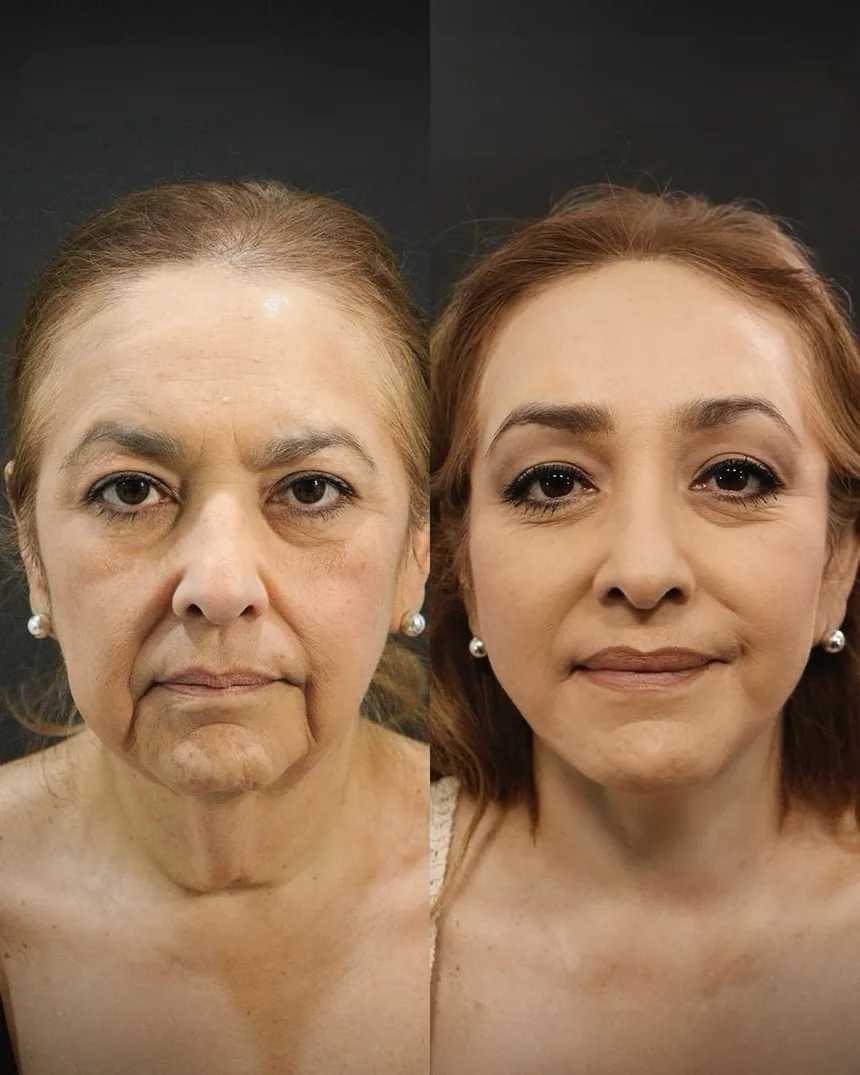
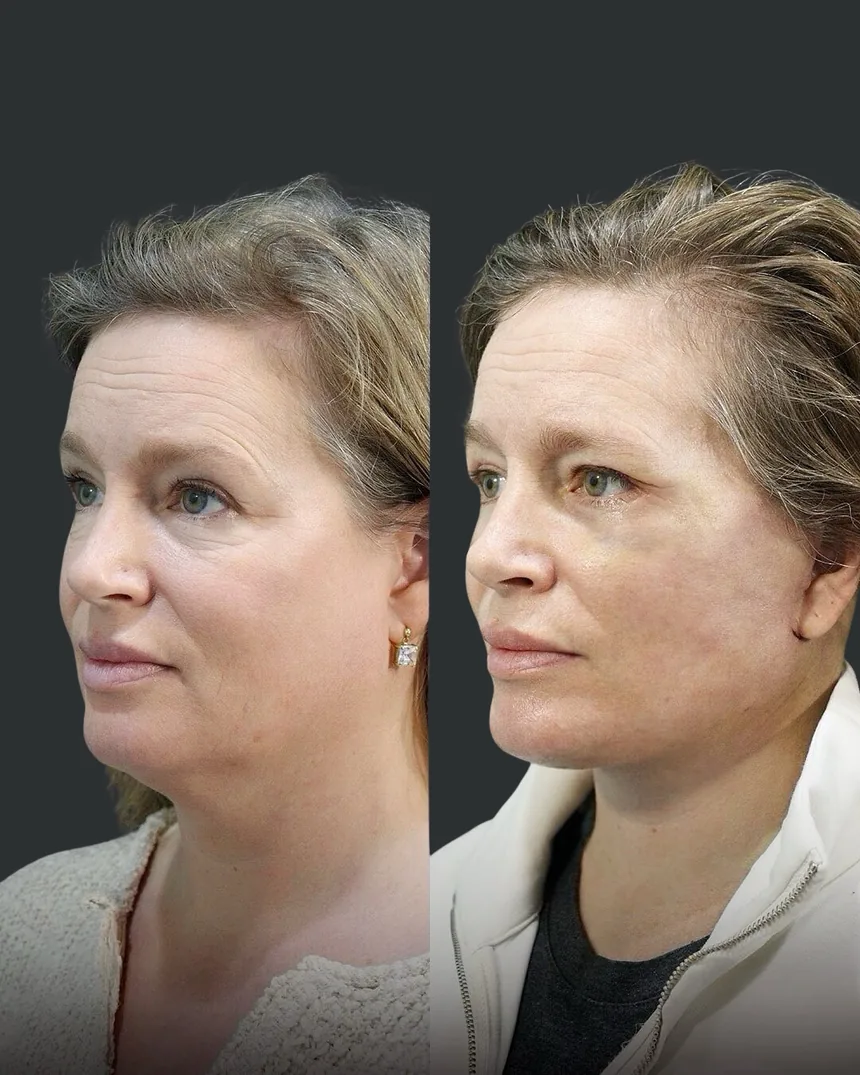
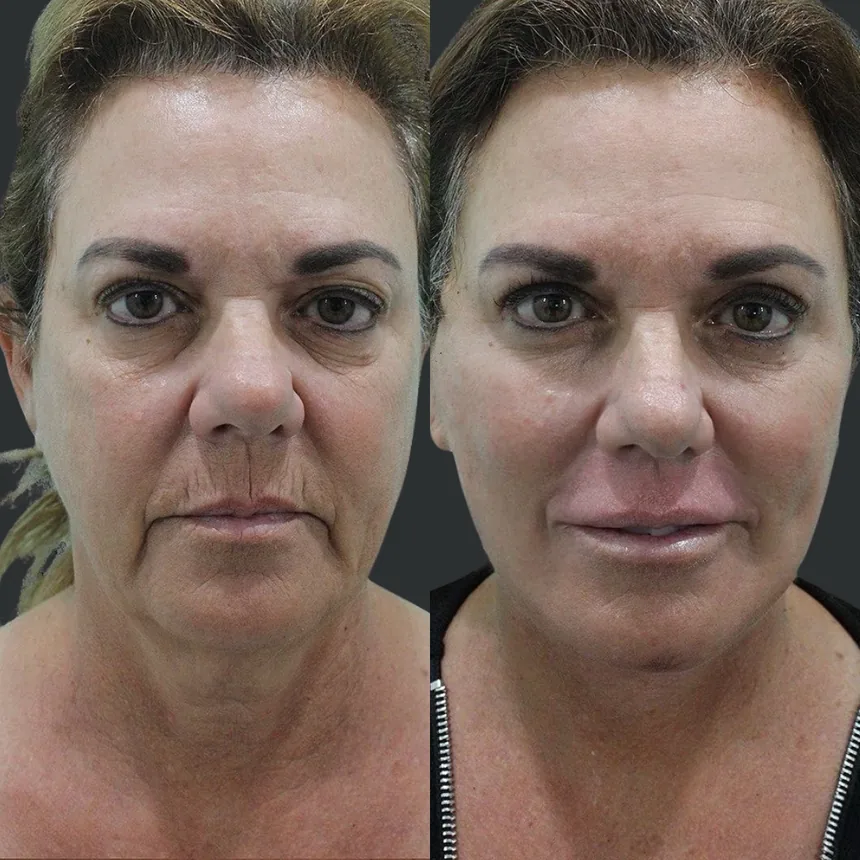
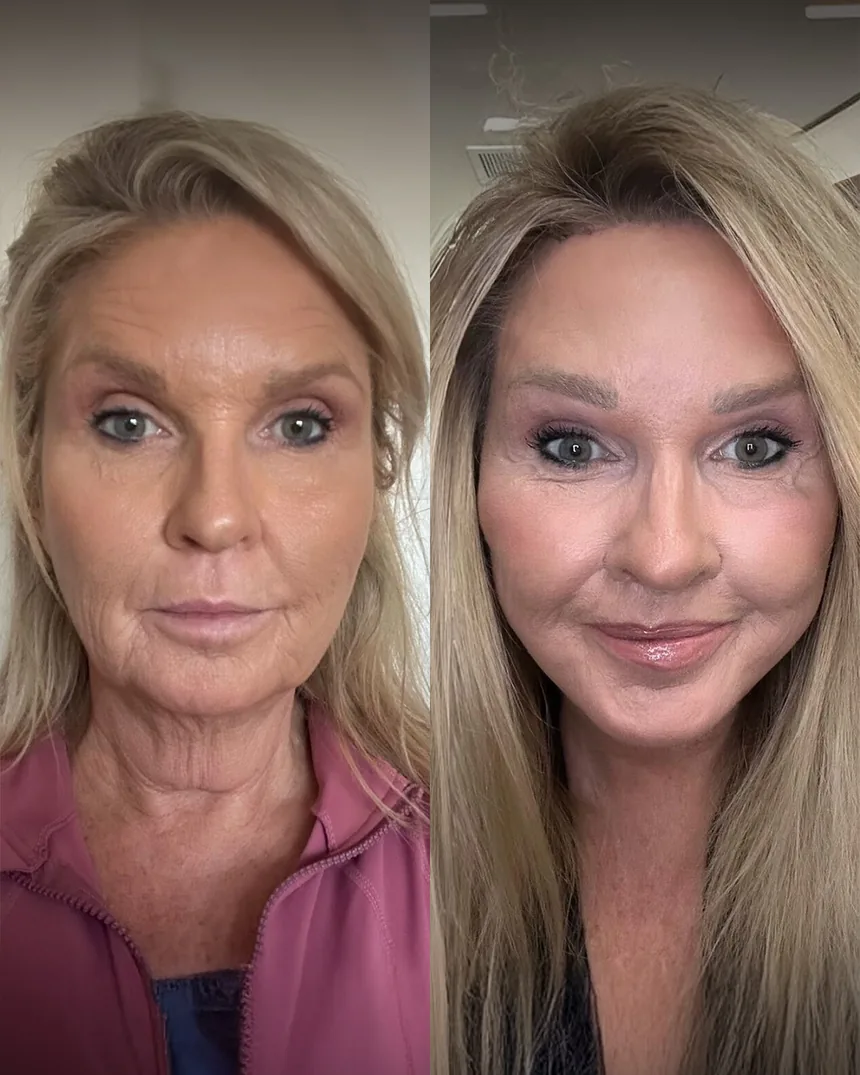
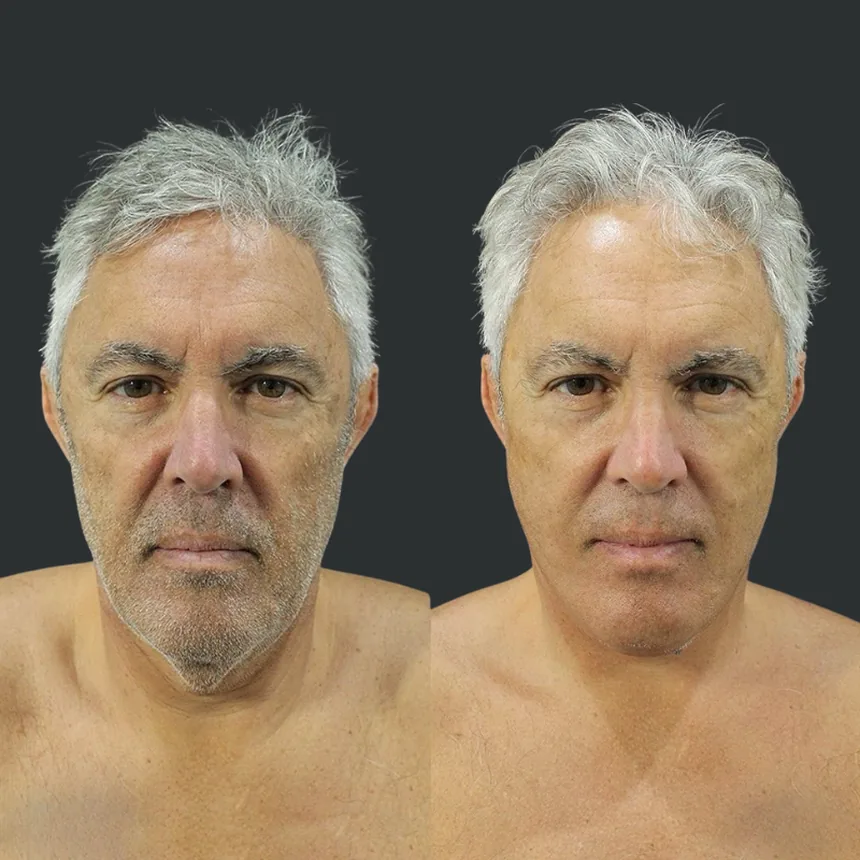
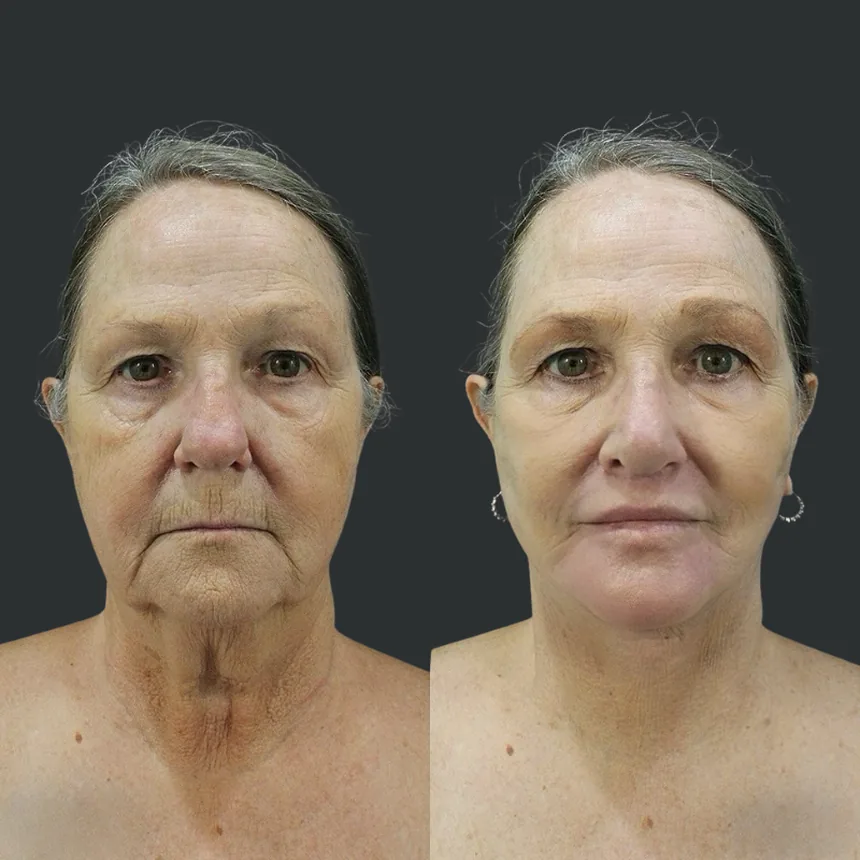
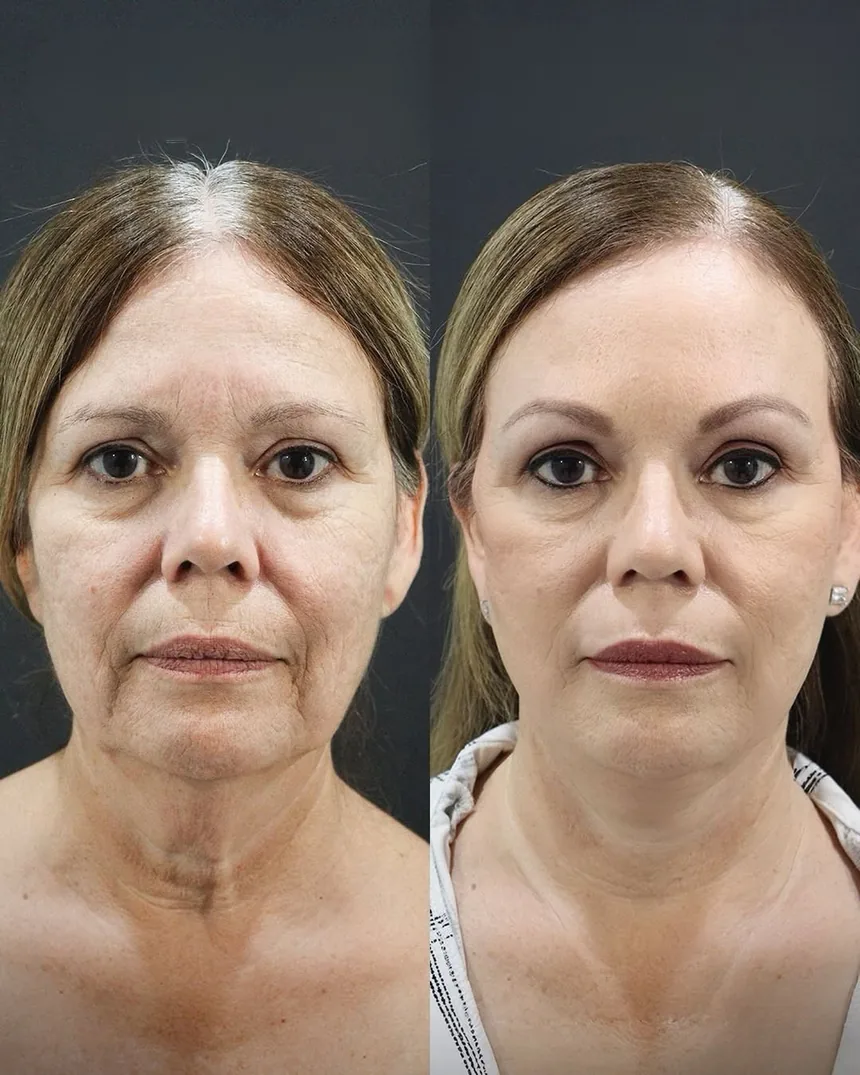
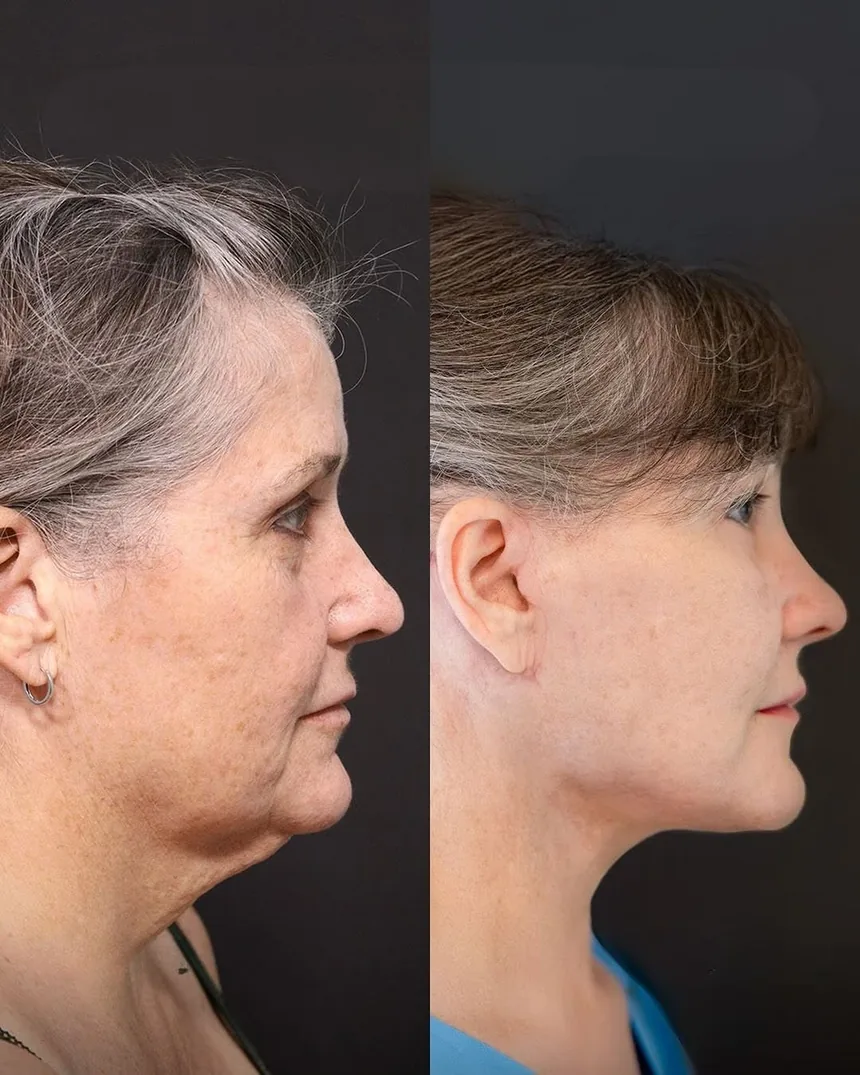
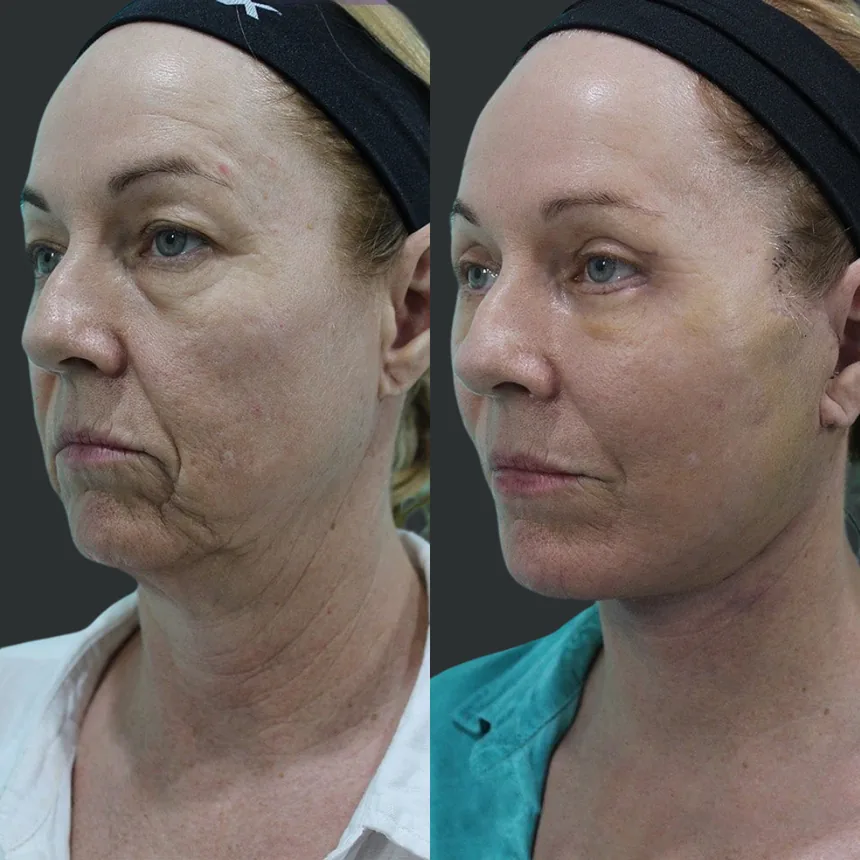
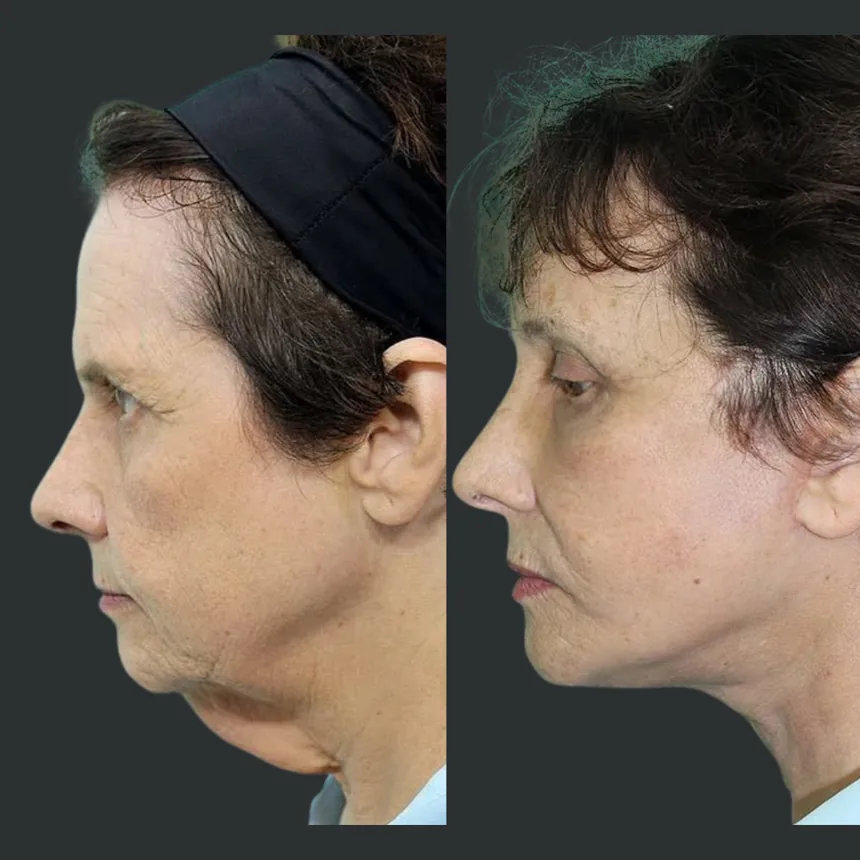
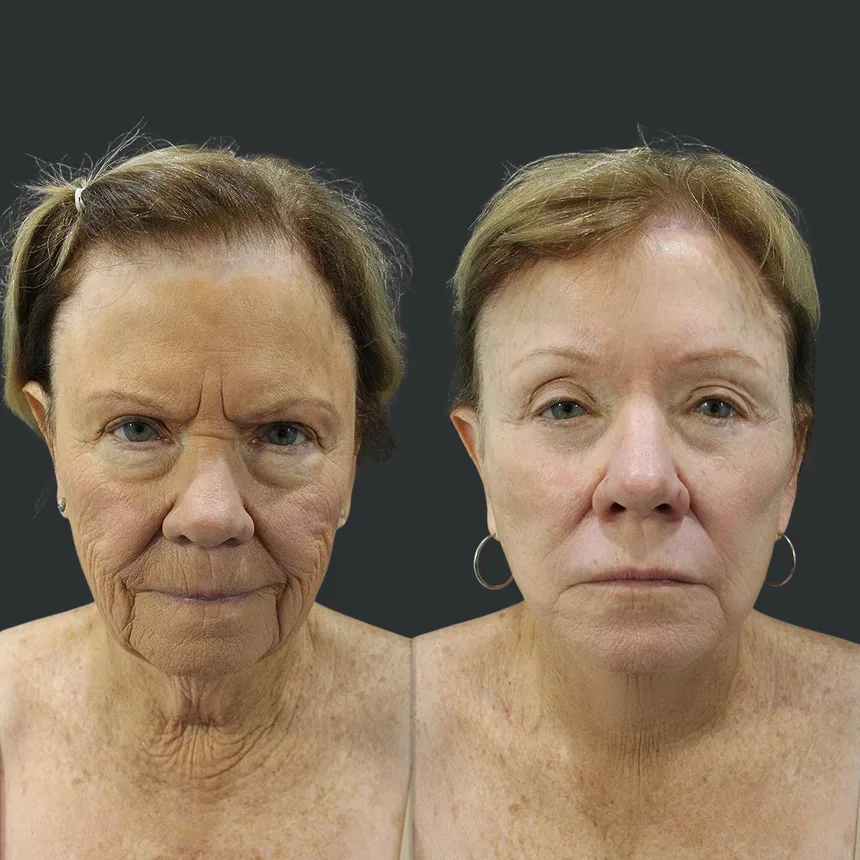
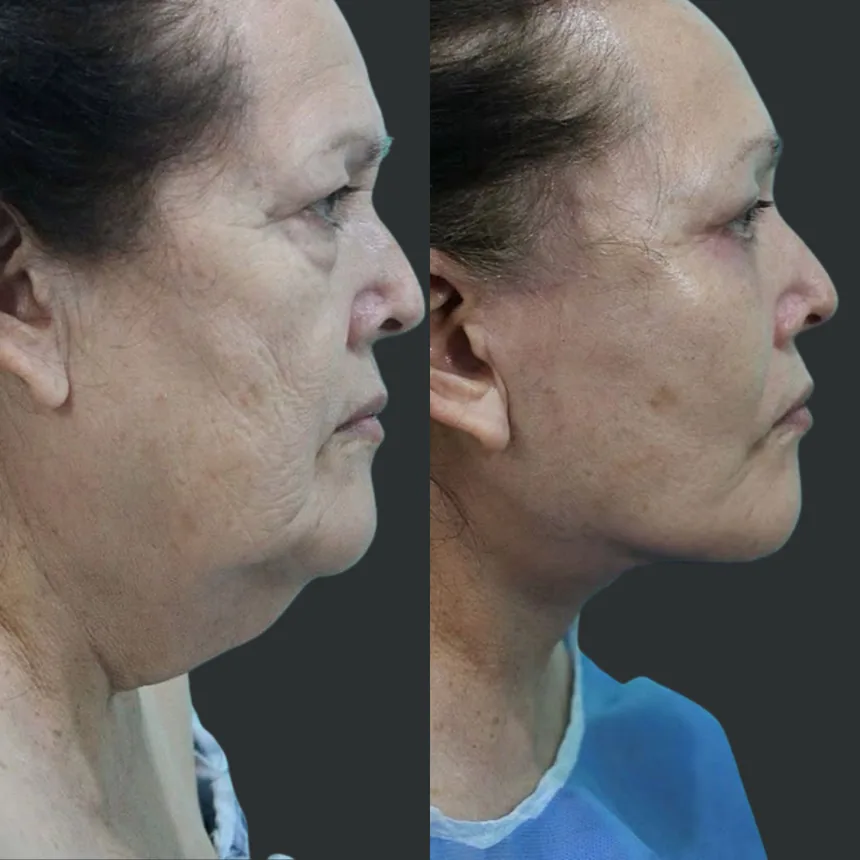
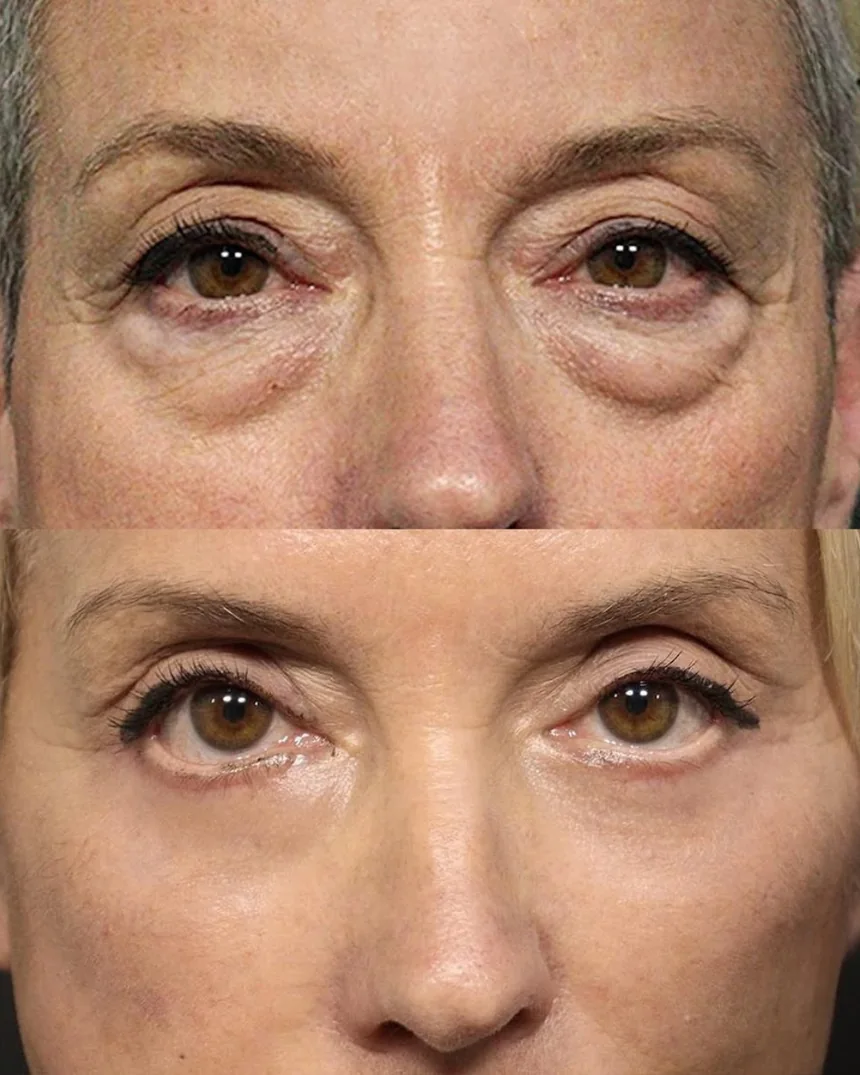
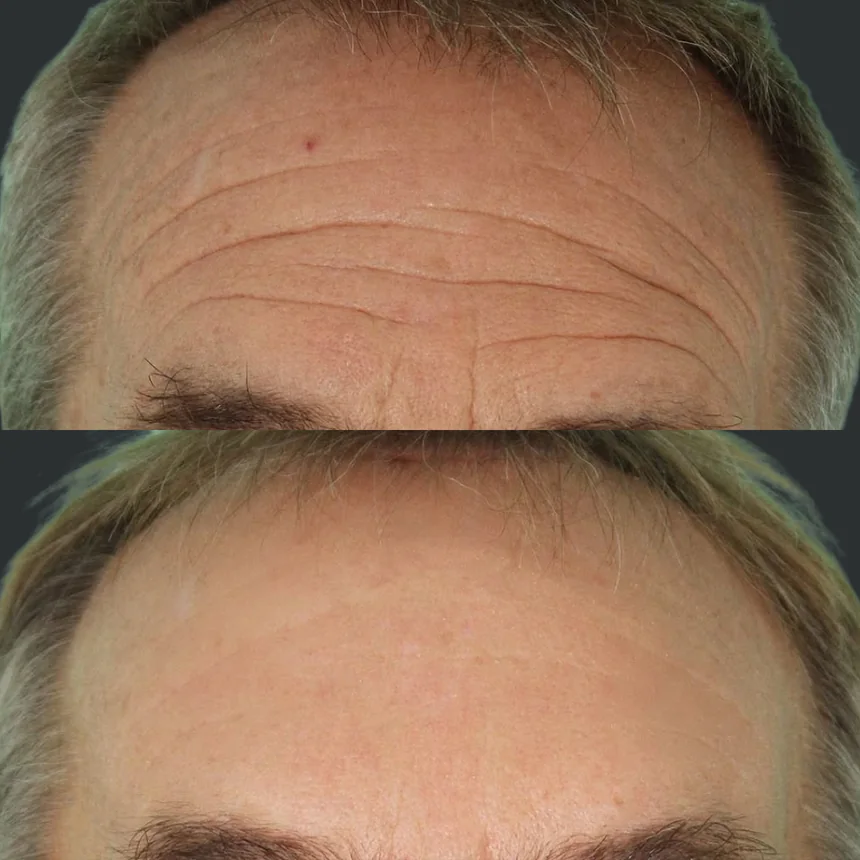
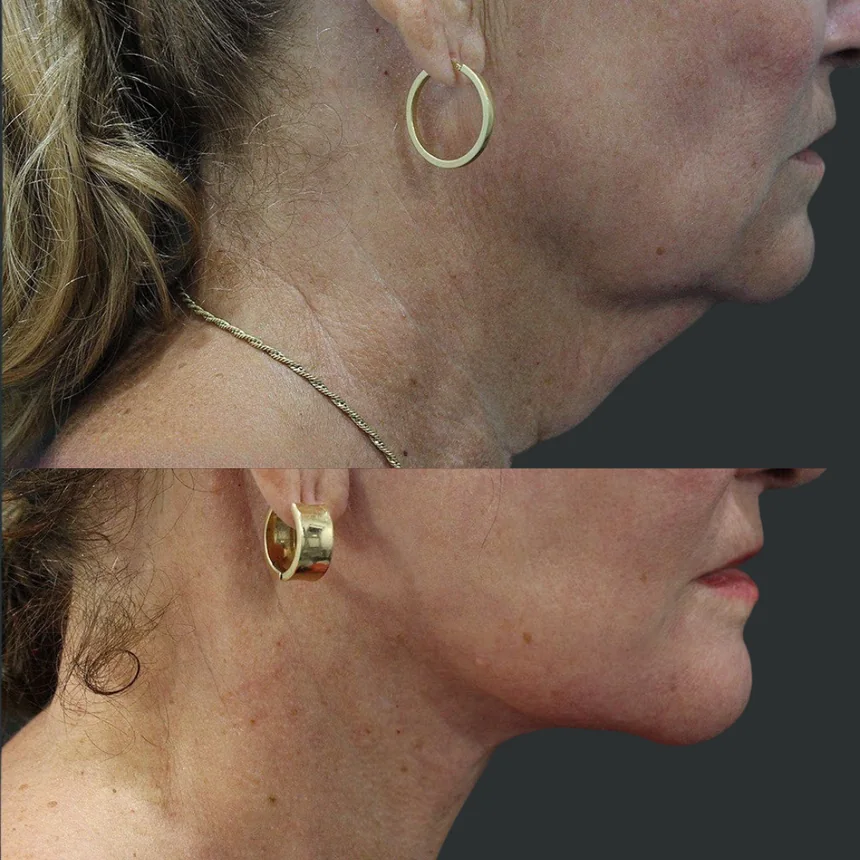
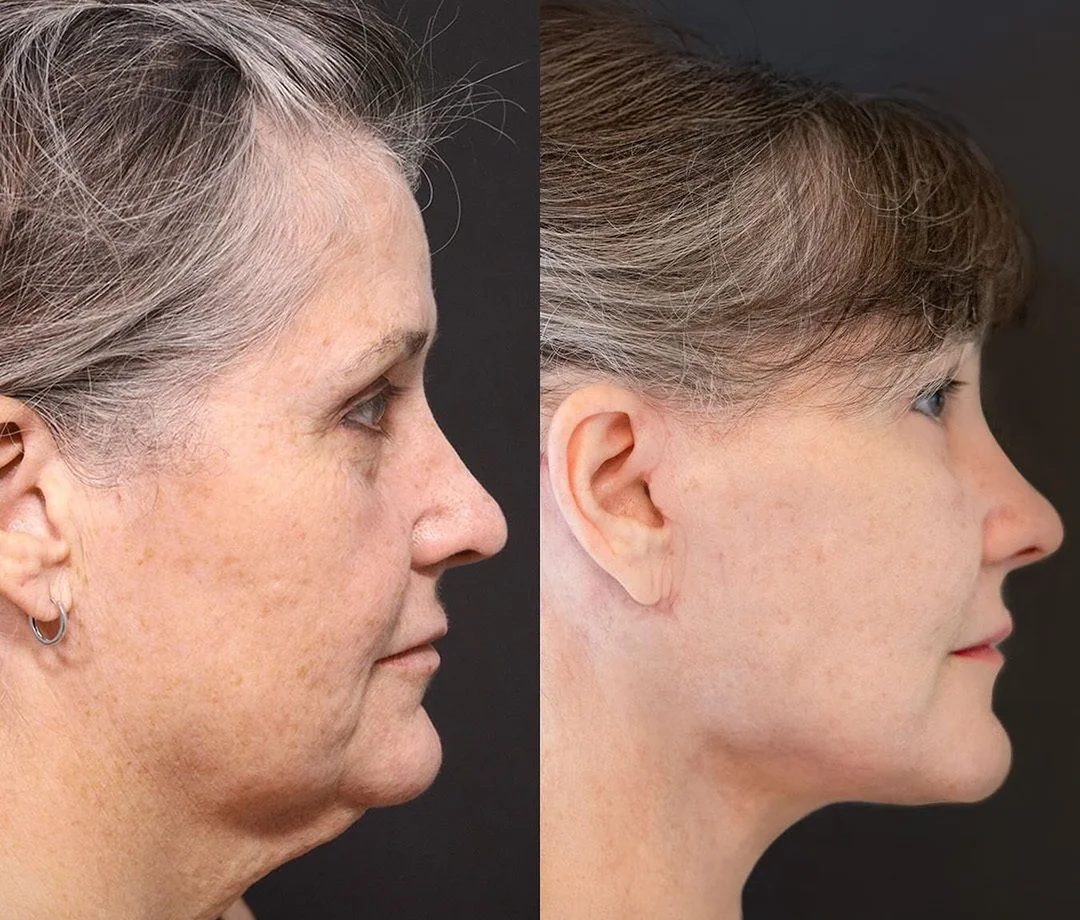
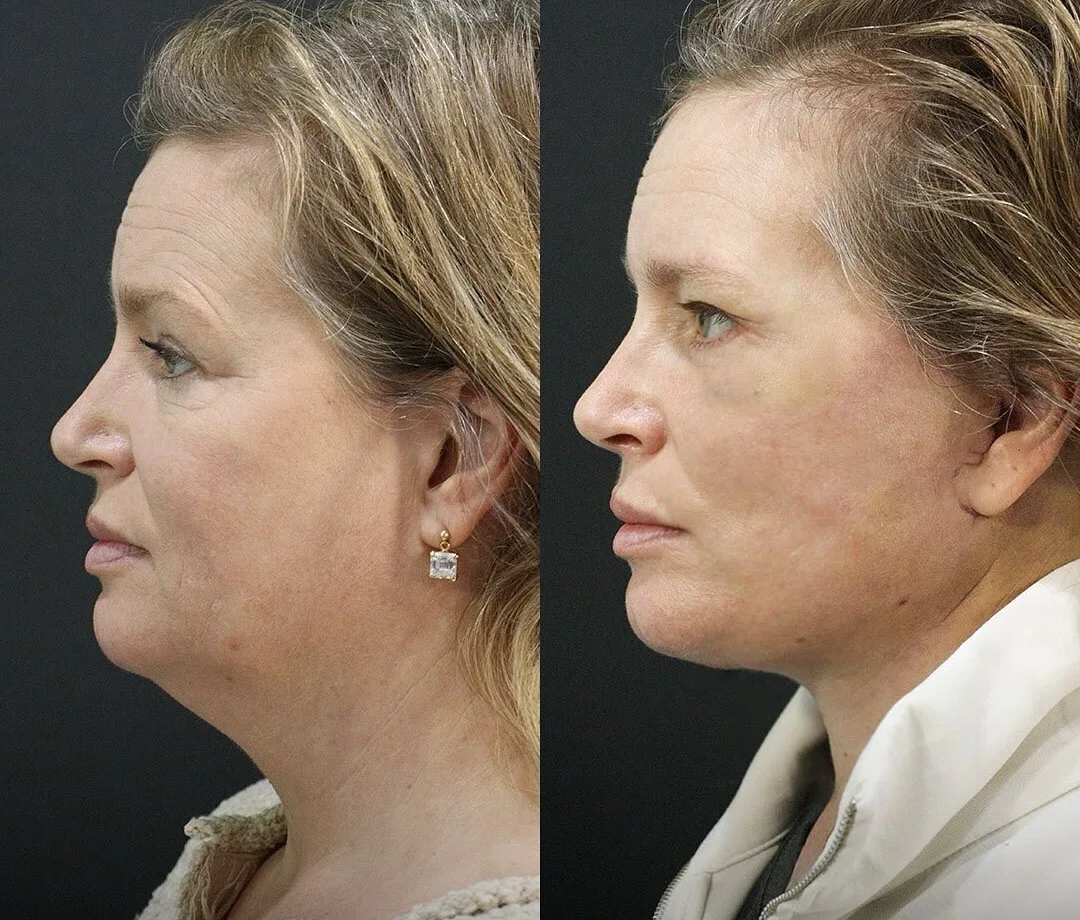
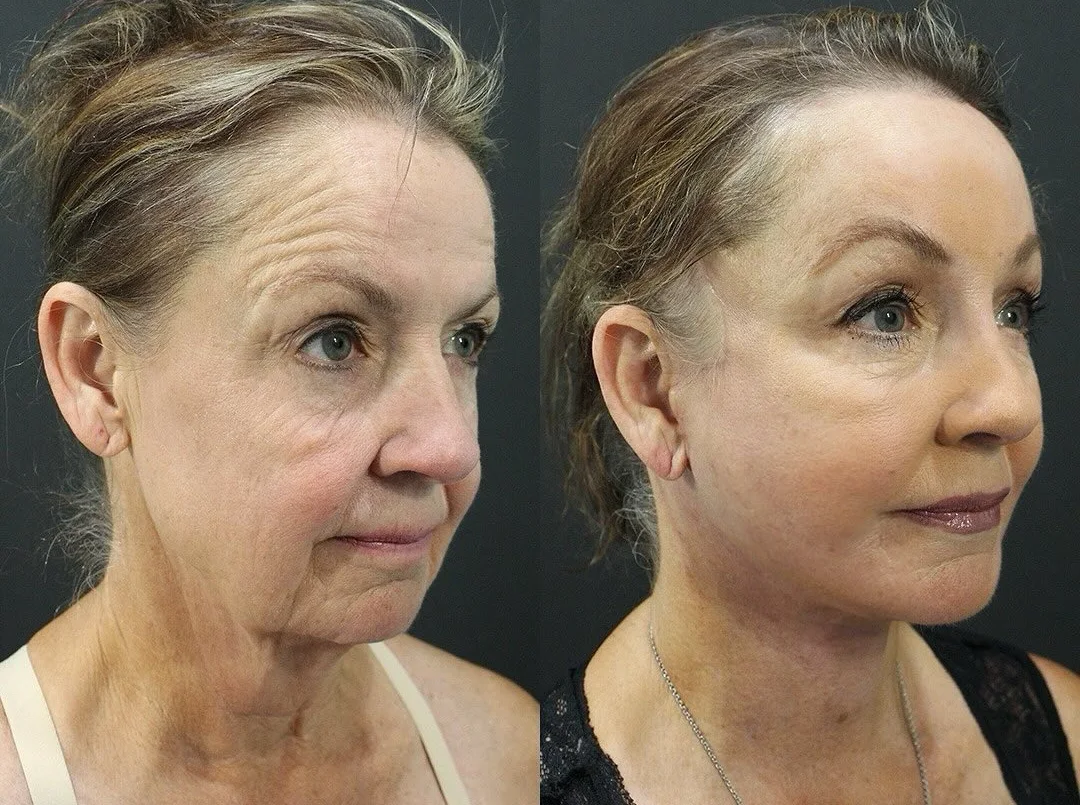
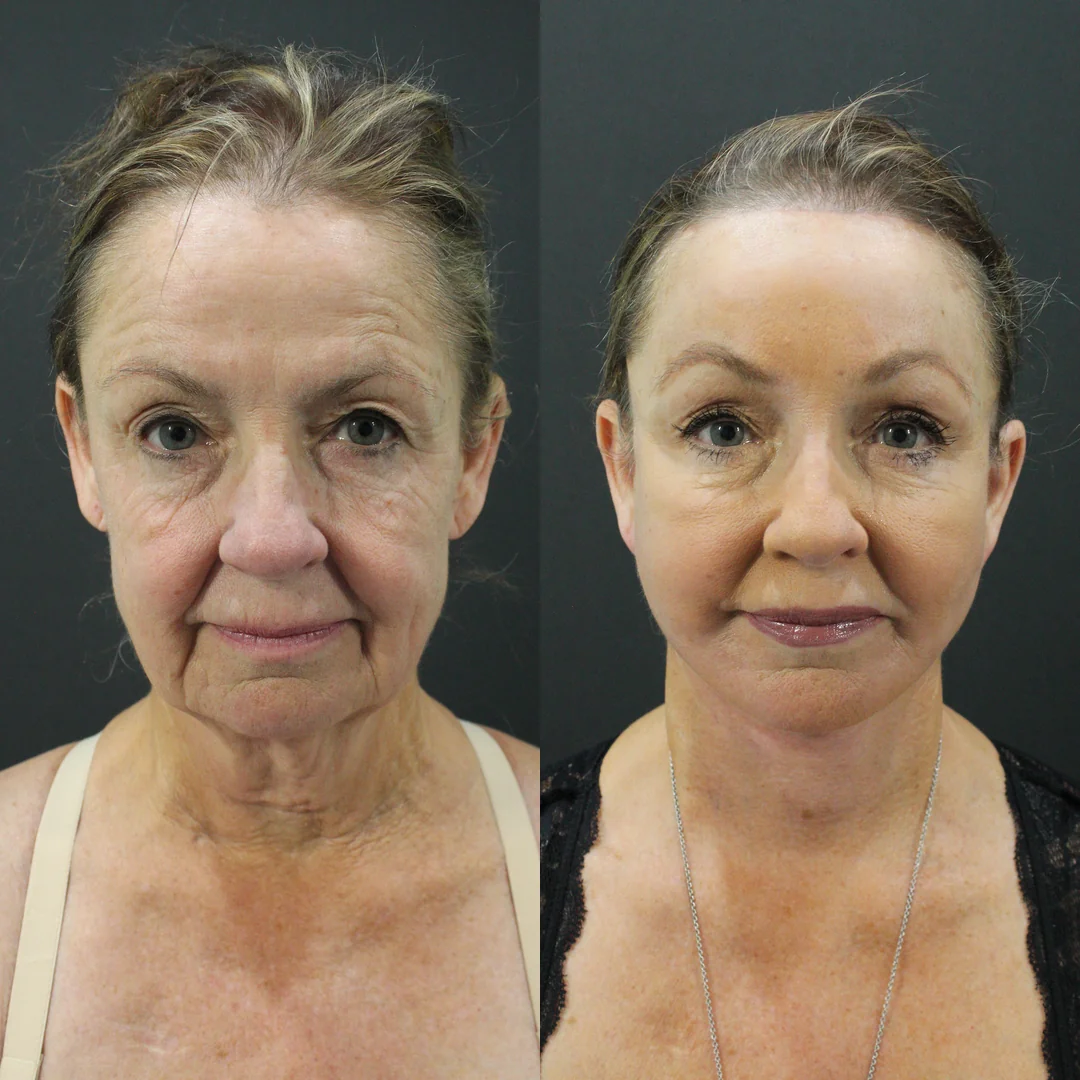
Before and after a deep plane face and neck lift by Dr. Quiroz, from the practice archive. Individual results vary.
Deep plane face and neck lift, from the practice’s own archive. Every case below is real, consented, and read the same way.
26 patients, photographed with consent
41 photographs, most with time since surgery
0 stock photographs, anywhere on this site

How to read

How to read a before and after, anywhere.

A gallery is an argument, and most are argued dishonestly: different light, different angles, a smile doing the surgeon’s work. Four checks make you a harder reader of any gallery on the internet. Apply all four to this one.

01

Find the ears and the hairline.

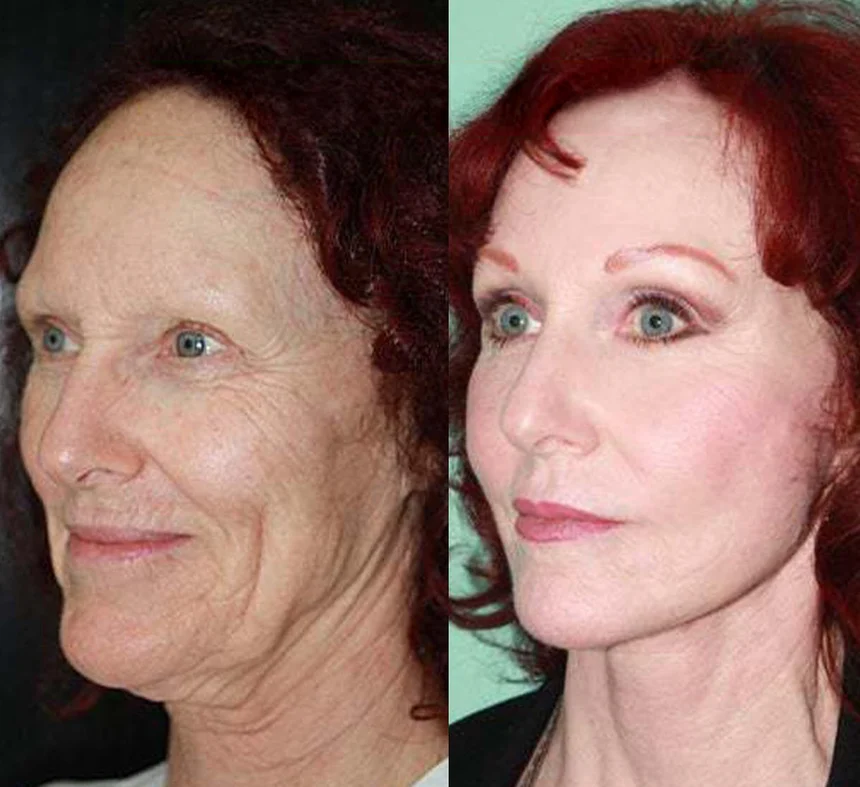
When skin does the lifting, the evidence hides at the edges: an earlobe pulled forward, a sideburn migrated upward, a hairline that moved. In a structural lift the edges stay quiet, because the skin was redraped, not recruited. Check every gallery you visit at the ears first, including this one.
02

Match the conditions.

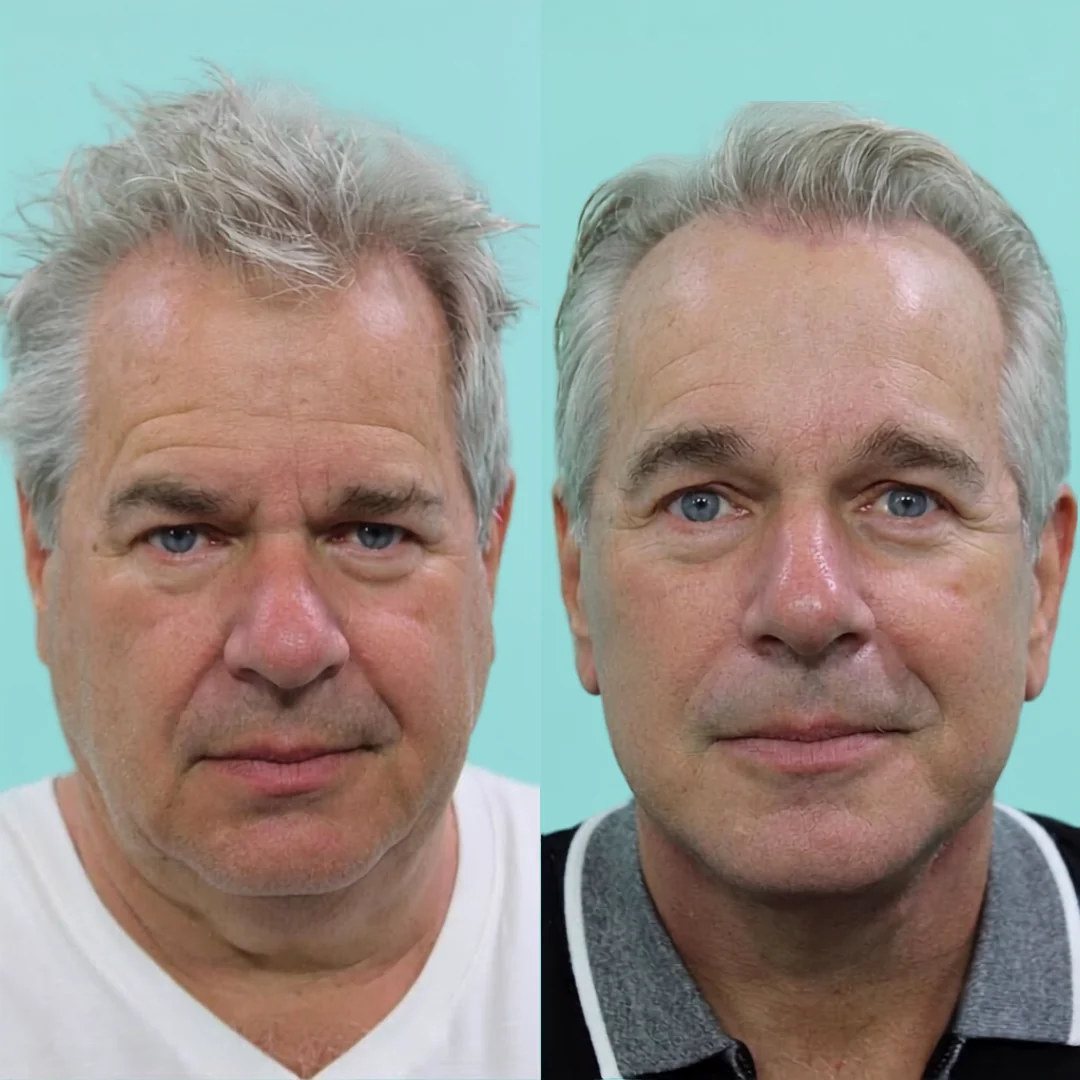
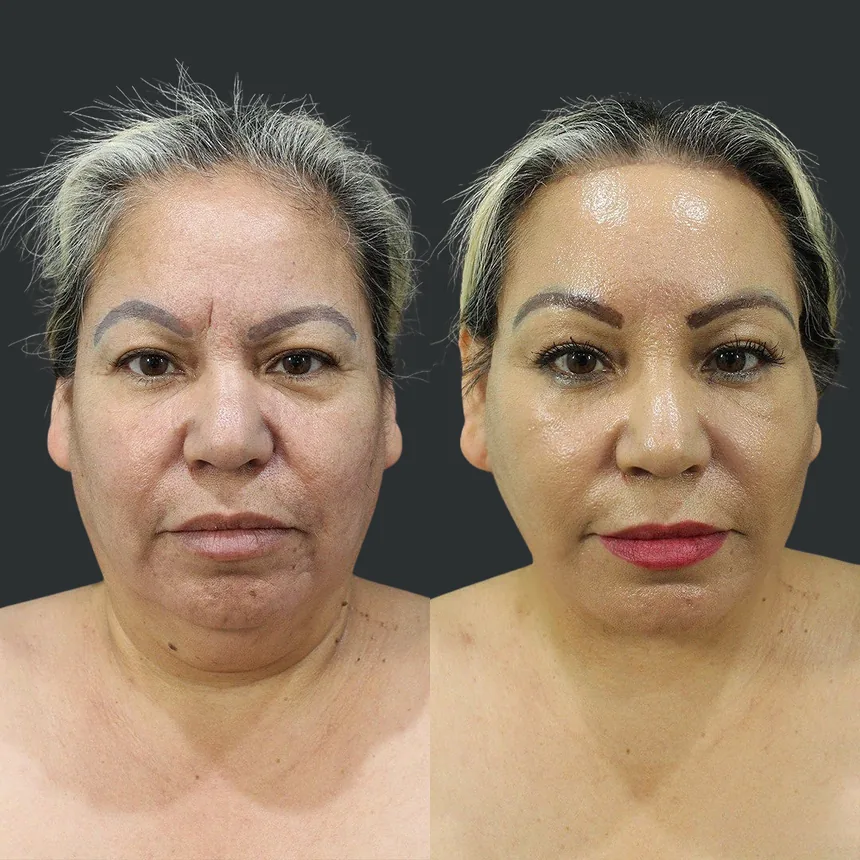
An honest pair keeps the same angle, distance, and light. And one more thing, said plainly because most galleries hope you will not notice: a smile lifts a face. A few afters here smile where the before is neutral, and you should read those pairs knowing it, the way you should read every gallery.

03

Ask when, not just what.

2 weeks and 1 year are different photographs of the same operation. Early photos still carry swelling; a 1-year photo is the honest one. The time since surgery is printed on nearly every case below, including the early ones, shown early on purpose. Distrust any gallery with no dates at all.

04

Look for the same person.

The result to want is your own face, rested. The results to fear read as wind, tension, or someone else entirely. In every pair below, the standard to hold us to is recognizability: the person after should be the person before, minus the weight of the descent.

How long it lasts

How long does a facelift result last?

A facelift that relies on tightened skin is commonly described as holding 5 to 10 years, because a tightened surface relaxes. A deep plane facelift, which releases the facial unit beneath the muscle and repositions it as one piece, is commonly described as holding 10 to 12, because the skin is never the thing holding the result. Neither number is a promise. 2

A facelift resets where you are aging from. It does not stop aging.

Deep plane, in published revision data 10 to 12 years Commonly described. At 5.5 years in measured data, about three quarters of patients still looked younger than before surgery. 1 2
Surface and SMAS lifts 5 to 10 years Tightened skin relaxes; the result relies on the layer that lets go first.
Under a minute, subtitled: skin quality, sun exposure, and why no honest surgeon gives one number.

No number is a promise, and any surgeon who guarantees one is not being honest with you. How a result holds depends on your tissue, your bone structure, your skin quality, sun exposure, and how you live. What the operation controls is the foundation: 10 years on you will be 10 years older, but from a structurally better place than if you had never had the surgery, without the pulled look that gives a poorly done lift away.

Common questions

Questions patients ask about results.

Are these real patients?

Yes. Every photograph on this page and on this site is a patient of Dr. Quiroz, photographed and published with consent. There is not a stock photograph anywhere on this site, and the time since surgery is printed on nearly every case, including the early ones.

How long does a facelift last?

It depends on what held the result. A lift that relies on tightened skin is commonly described as holding 5 to 10 years, because skin relaxes. A deep plane lift, which repositions structure instead, is commonly described as holding 10 to 12. These reflect the technique literature rather than a guarantee for any one face. Individual results vary.

Will my face keep aging after a facelift?

Yes. A facelift resets where you are aging from, but it does not stop aging. 10 years later you will be older, though from a structurally better foundation and without the pulled look of a poorly done lift. Individual results vary.

Can you guarantee how long my results will last?

No, and any surgeon who guarantees a number is not being honest with you. Longevity figures reflect what the technique literature commonly describes. How a result holds on your face depends on your tissue, bone structure, skin quality, sun exposure, and how you live.

When will I see my final result?

Sutures are removed on day 7, and social recovery is near 14 days for most patients. Swelling continues to settle over the following months, so the most honest picture of your result is at about a year rather than at 2 weeks. Individual recovery varies.

Why do some cases here show only 2 weeks or 1 month?

On purpose. An early photograph, labeled honestly, teaches you what recovery actually looks like: the structure already rebuilt, the swelling still settling. Galleries that show only their most flattering 1-year pairs are curating; a gallery that shows its early cases with dates is documenting.

Will my result look like these?

No, and be wary of anyone who promises otherwise. These photographs show what the same hands did with other faces, each with its own tissue, bone, and starting point. What they honestly demonstrate is a standard: rested, not pulled, still recognizably the same person. What your face can do is a consultation question.

Does a facelift last longer than a skin or SMAS lift?

Generally, yes. A surface or SMAS lift relies on tightened skin, which relaxes over time, so it is commonly described as holding 5 to 10 years. The deep plane carries no tension on the skin, so it tends to hold longer, commonly 10 to 12 years. Individual results vary.

How can I tell if before and after photos are misleading?

Four checks, from the reading lesson on this page: look at the ears and hairline for signs the skin did the lifting; confirm the angle, distance, and light match between the pair; ask when the after was taken, since 2 weeks and 1 year are different photographs; and confirm the person still looks like themselves. Apply all four to every gallery, including this one.
How many years younger does a facelift make you look?

No honest fixed number exists, and this page will not invent one. What is measured: at about 5.5 years after surgery, roughly three quarters of patients in published data still looked younger than they had before the operation. The goal here is a rested version of your own face, not a number. Individual results vary.

Is this gallery everything Dr. Quiroz has done?

No. He has performed more than 3,000 facelifts across 37 years; this gallery is the consented sample of that record, the patients who agreed to be shown, with their timeframes printed. The full credential record, with the registries to verify it, lives on his profile page.

Where are facelift scars, and will they show in photos like these?

A facelift is planned so its incisions follow the natural creases in front of and behind the ear and up into the hairline, where a settled scar is difficult to see. A neck lift adds a small hidden incision under the chin. In a gallery, the ears and hairline are exactly where you should look: in a well-planned lift the edges stay quiet, because the skin was redraped rather than pulled. Individual results vary.

Am I too old for a facelift at 60 or 70?

Age by itself does not decide who is a candidate. What matters is your general health and the quality of your tissue and bone structure, which are assessed before anything is planned. Patients in their 60s and 70s are common in a facelift practice; the honest question is not your age but whether the tissue can hold the result, and that is a consultation question. Individual results vary.

Sources

  1. S1Jones BM, Lo SJ. How long does a face lift last? Objective and subjective measurements over a 5-year period. Plastic and Reconstructive Surgery. 2012;130(6):1317-1327. PMID 23190814.
  2. S2Deep plane longevity as commonly described in published revision data and the technique literature. The full source list lives on the deep plane page. deep plane sources
  3. S3All photographs: patients of Dr. Alejandro Quiroz, published with written consent, from the practice archive, 2026.

Written and medically reviewed by Dr. Alejandro Quiroz, board certified in plastic and reconstructive surgery, CMCPER No. 293. Last reviewed July 2026.

The surgeon, and the place

Every recommendation here is worth exactly as much as the surgeon behind it.

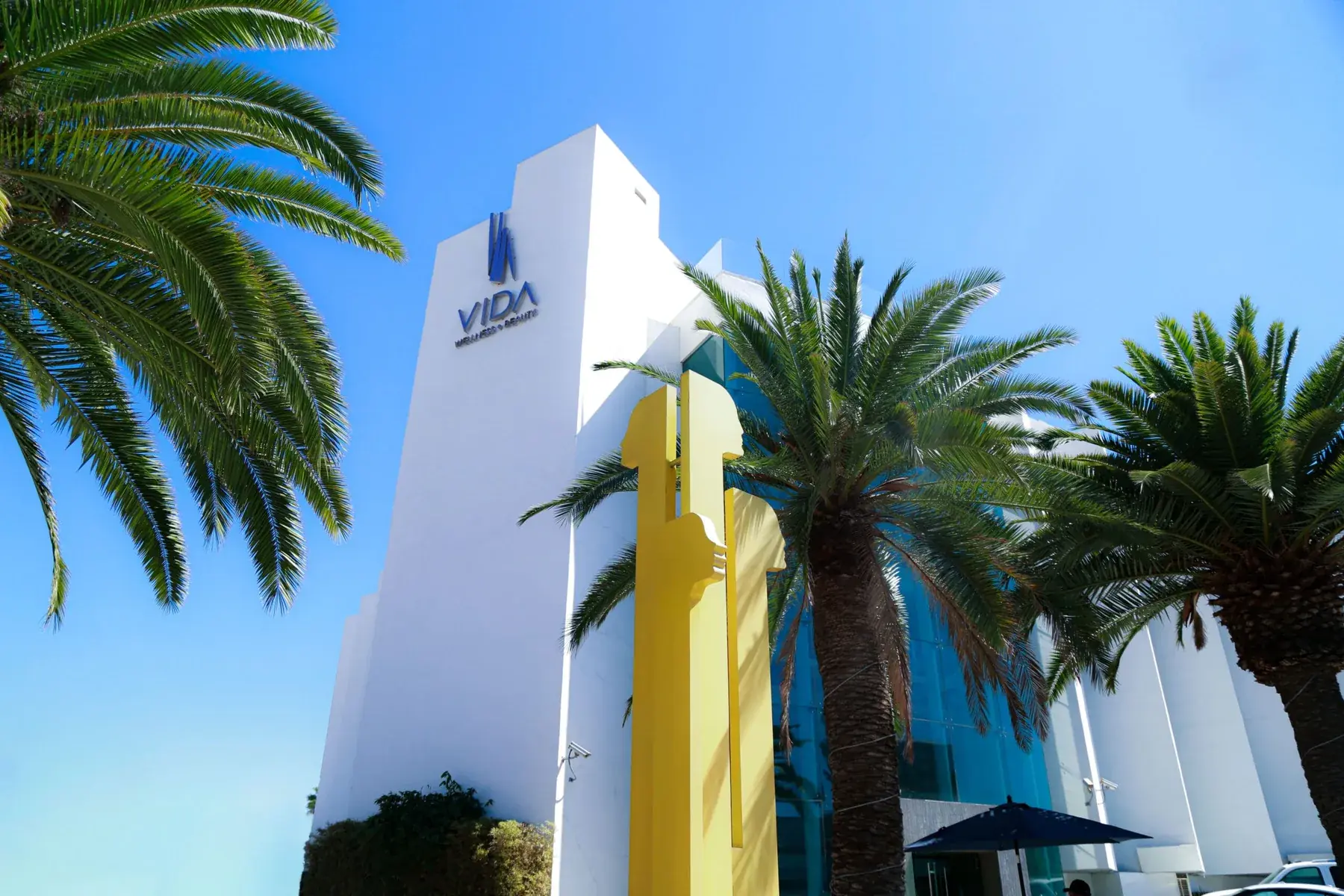
Dr. Alejandro Quiroz operating at VIDA Wellness & Beauty in Tijuana

The surgeon

Dr. Alejandro Quiroz

Board certified in plastic and reconstructive surgery since 1984 (CMCPER No. 293), an active California physician and surgeon license held since 1986, and fellowship training under Bruce F. Connell. 37 years, more than 3,000 facelifts. The surgeon you consult is the surgeon who operates.

The full record, with registries
VIDA Wellness & Beauty in Zona Rio, Tijuana

The facility

VIDA Wellness & Beauty

The first Quad A (formerly AAAASF) accredited surgical facility in Mexico, licensed by COFEPRIS, 15 minutes from the San Diego border. Dra. Nadiezhda Garcia Bonilla, a board-certified anesthesiologist, is present for every case, and recovery happens in the on-site Recovery Boutique with nursing around the clock.

The facility and anesthesia

The next face in this gallery is examined first, promised nothing, and shown honestly.

If the cases above read the way you want your own to read, rested, unmistakably you, the next step is a conversation with the surgeon whose notes you just read.

Request a Consultation

A remote conversation first. Nothing is scheduled until you have seen the plan, the quote, and the timeline.

Prefer a voice first? Call or text +1 (619) 738-2144. A coordinator answers, not a phone tree.